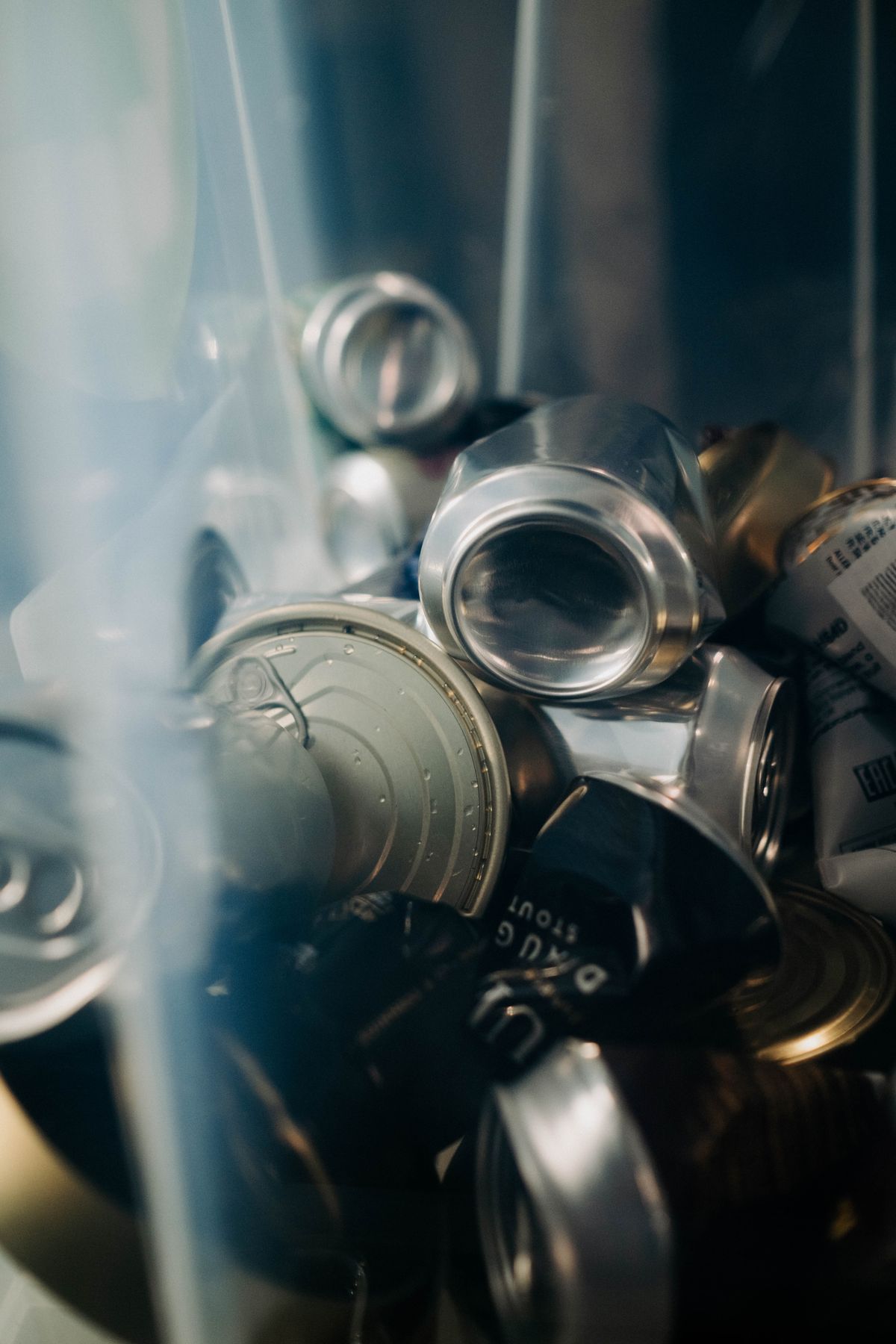
An empty food can is easy to recognize, but its detached lid can turn a quick cleanup into a sharp-edge problem. Make a short routine for both pieces before clearing the rest of the kitchen. The purpose is to prepare accepted material safely, not to crush everything as tightly as possible.
Finish with the food first
Use a suitable utensil to remove the contents without running fingers around a cut rim. If food remains for another meal, put it in appropriate storage and follow the product's directions. Keep the label or a note if you need ingredient and storage information later. Do not send a partly full can into recycling just because it has been opened.
Check your local provider's rules for metal food cans. Look for directions about rinsing, detached lids, paper labels, and flattening. These details are worth confirming once for the cans you regularly use. A collection rule from another city may not fit the equipment or service where you live.
Handle the edge as part of the object
A lid that remains attached by a narrow strip can spring outward as the can is moved. Pick up the can by its undamaged body and keep sharp pieces away from children and pets. Avoid squeezing an opened can in your hand. Flattening is not automatically required, and an uncertain instruction is a reason to ask the provider, not to improvise.
Do not fill cans with unrelated paper, plastic wrappers, or food scraps. Each item needs to remain recognizable and follow its own route. If small amounts of liquid sometimes remain, use a collection container that can be emptied and wiped without reaching through loose sharp metal.
Keep reuse realistic
A clean can might organize dry nonfood objects, but only when all accessible edges are safe and the container is sound. A makeshift pencil cup with a cutting edge is not an improvement. Likewise, a can used for one packaged food is not automatically suited to a different storage, heating, or craft process. Choose a different container when the intended use is uncertain.
Package size is another useful decision. If half a can is repeatedly forgotten, plan a second meal at the time you open it or consider a size you will finish. If you consistently use several small cans together, compare larger options that meet the same need. These adjustments connect recycling to the way food is actually cooked, and can reduce both packaging handling and leftover ingredients waiting in the refrigerator.