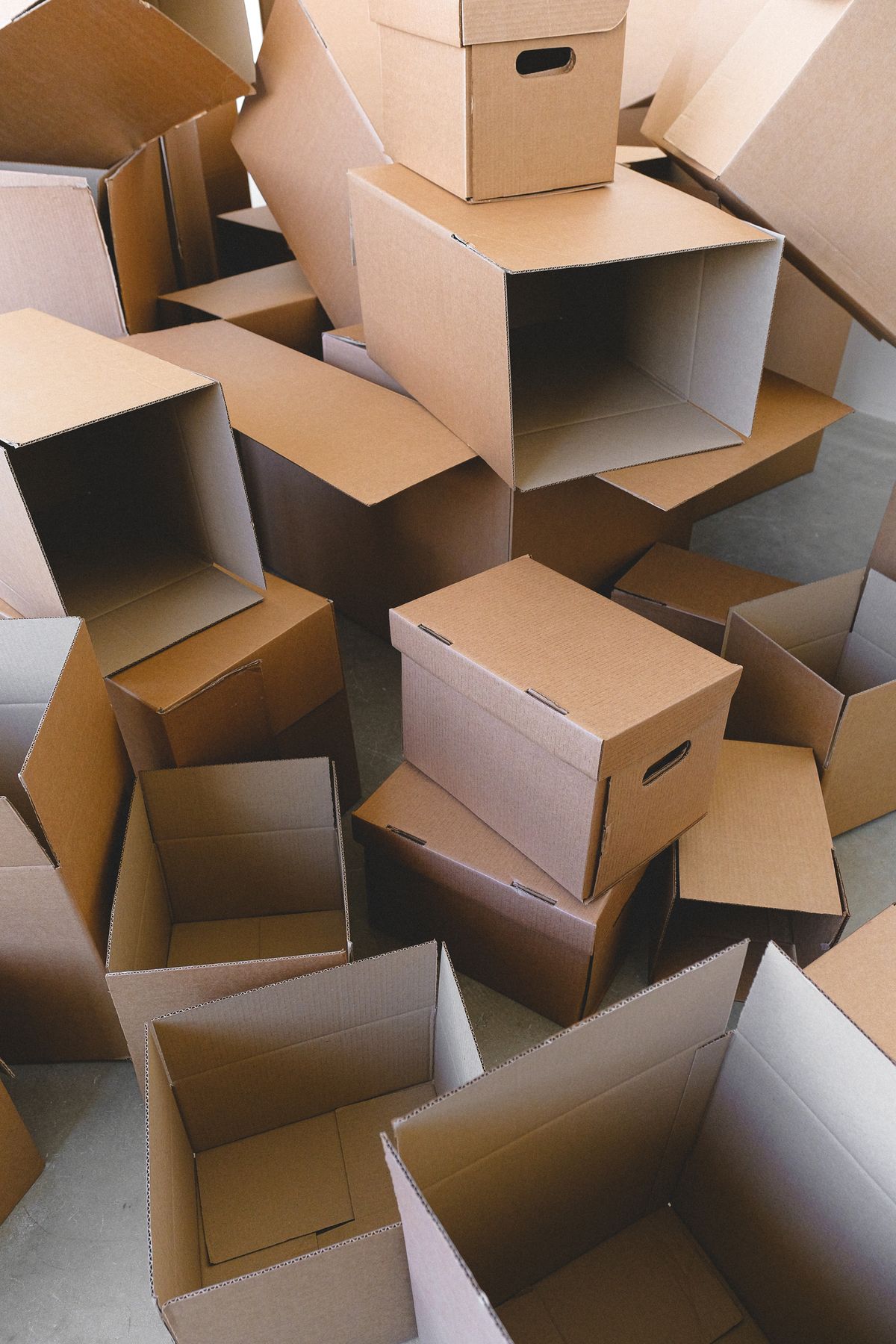
Shipping boxes usually take up more room than the material itself needs. An open carton left beside the door holds mostly air, yet it can block a narrow hallway after only a few deliveries. Finish unpacking with a decision about the box: keep it for a specific purpose, flatten it for collection, or check an unfamiliar material before sorting it.
Keep a useful reserve
First decide whether the item may need to be returned. A fitted insert can protect a delicate product during shipment, so keep the relevant pieces together until that decision is settled. Put a reminder with the packaging rather than leaving it in a permanent waiting pile.
If you regularly mail gifts or sell used belongings, save a limited range of sturdy sizes. Choose a shelf or marked area as the limit. When it is full, compare the next box with those already there. A damaged corner, damp bottom, or split seam makes a poor starting point for another journey. More tape does not necessarily restore the strength of weakened cardboard.
Separate before flattening
Remove loose plastic film, cushioning, and other inserts so each material can follow its own collection route. Do not fill cartons with unrelated recycling and close them again. Your city or hauler may ask for cardboard to be flattened, cut to a particular size, or placed inside a cart with the lid closed. Read those instructions before making a large bundle.
Open the bottom flaps along existing seams where possible. If you need a cutting tool, use a stable surface and keep hands away from the direction of the blade. Do not cut toward your body or ask children to handle sharp packaging tools. A box that folds at its original creases often needs less cutting than expected.
Make storage temporary
Keep flattened cardboard dry and clear of exits. A narrow slot beside the recycling area can work, provided the stack cannot fall into a walkway. Avoid storing it where a leak or wet floor could damage the whole pile. Check whether material beside the collection cart is accepted; an overflowing stack may require a different arrangement.
Revisit your reserve once a month. Boxes that never fit anything you send are taking space from more useful sizes. When another order is planned, consider combining items only when that actually meets your needs; buying extra goods to justify a delivery defeats the purpose. The immediate aim is straightforward: fewer awkward boxes waiting around and a reliable route for the cardboard you have.