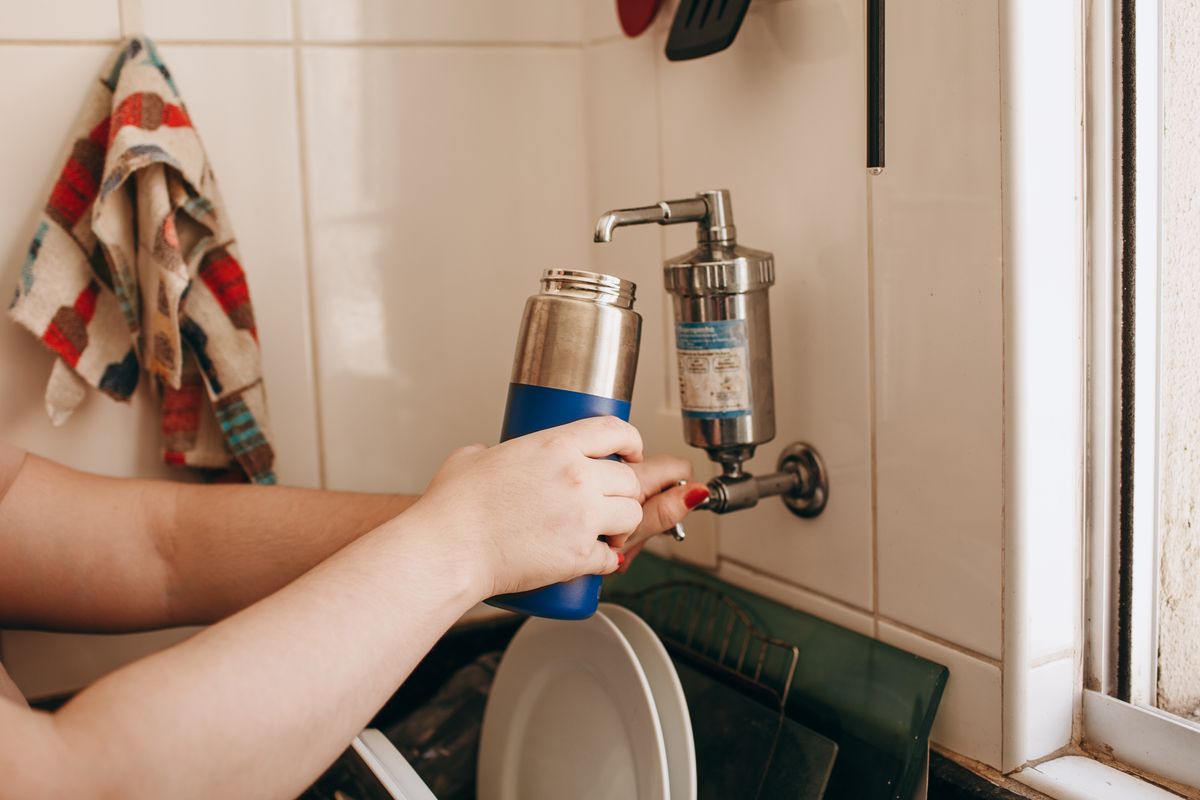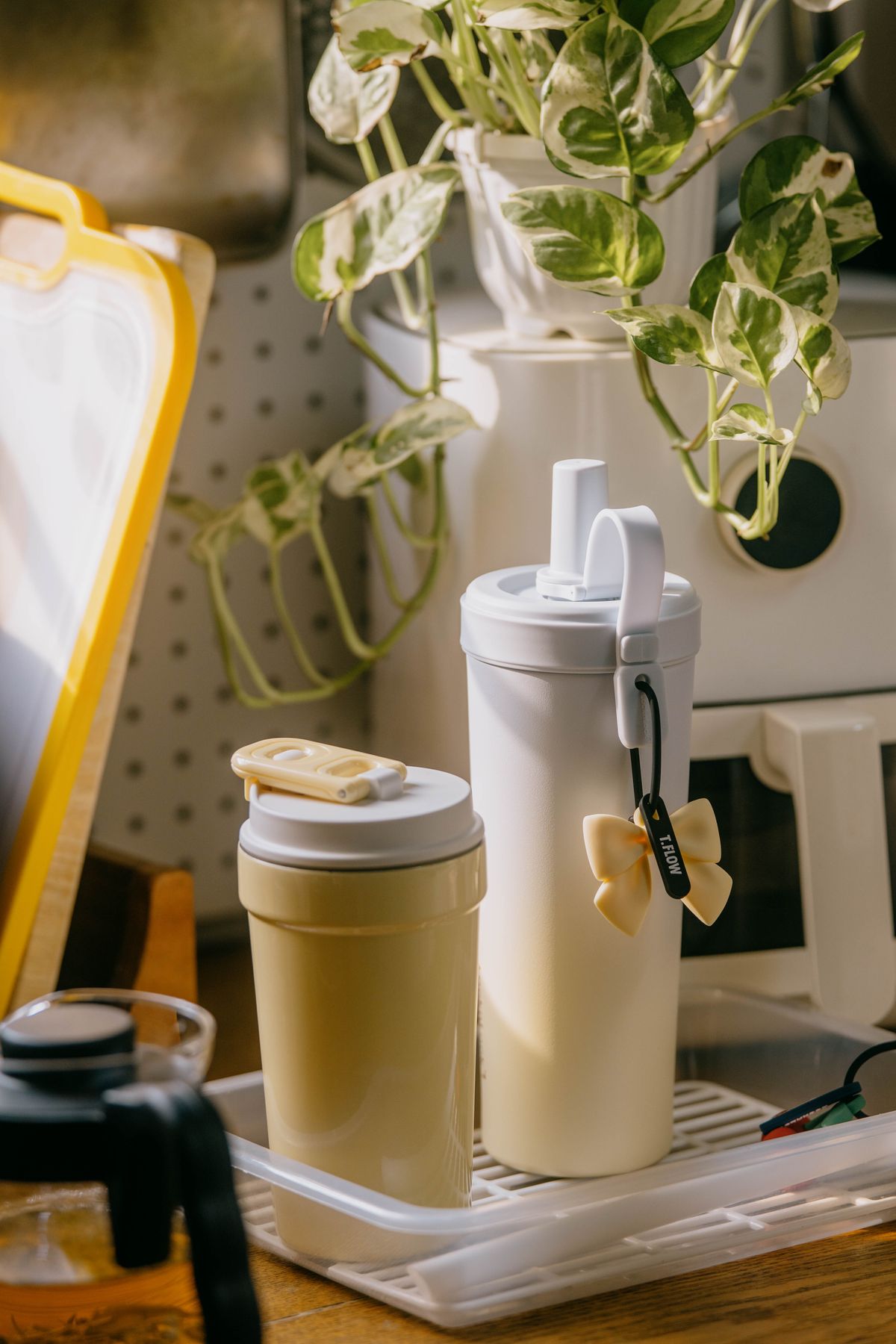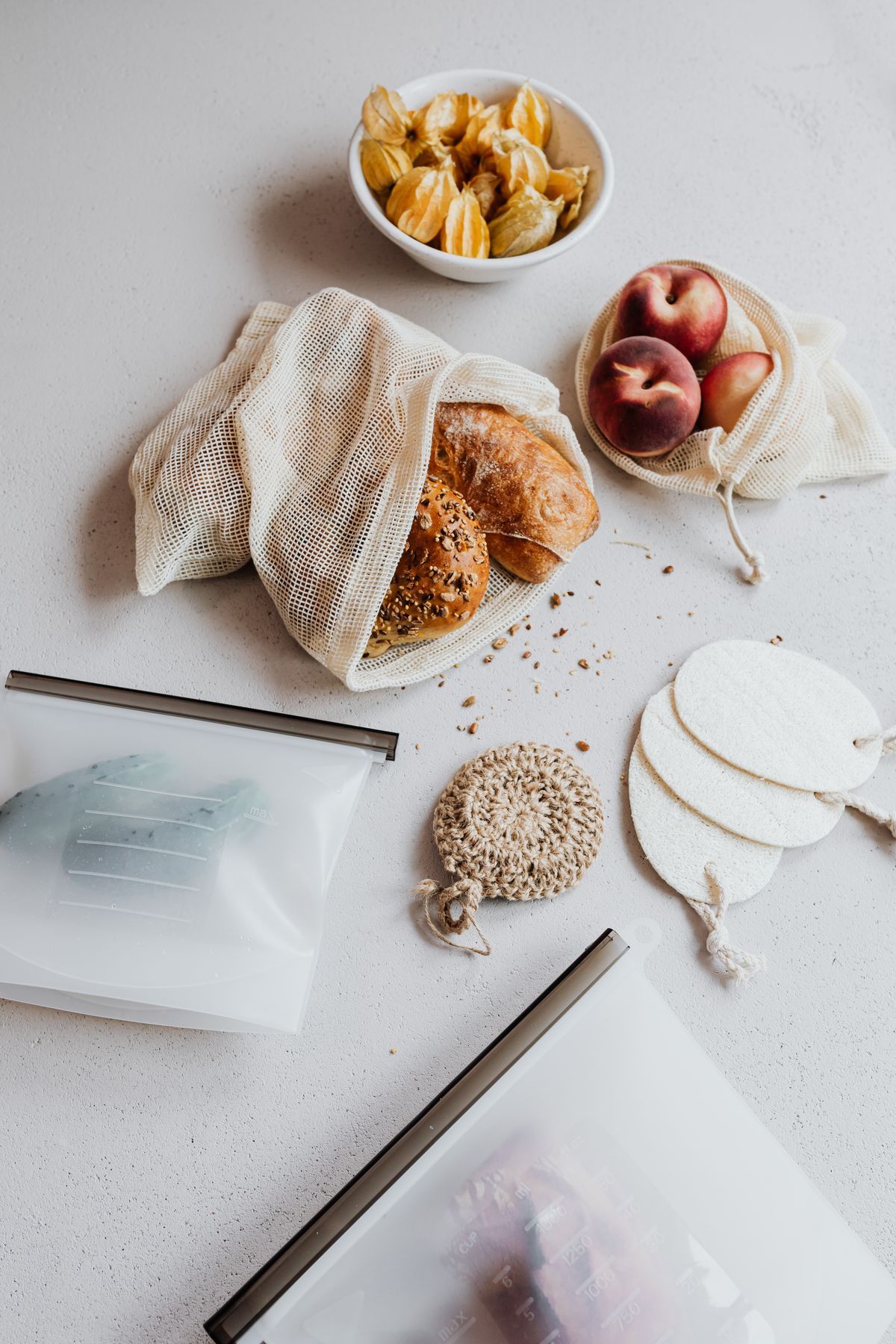
A household does not reduce waste simply by buying a reusable replacement for every disposable item at once. Some purchases become daily tools; others remain in a cupboard after two attempts. A limited budget can help identify which tasks are worth solving first.
Find the recurring situation
Observe an ordinary week and note the disposable items that repeatedly appear. Add the place and occasion: a drink on the commute, lunch without utensils, or an unplanned grocery stop. Those details reveal what an alternative must do. A cup sitting at home cannot replace a cup bought along a route where you never carry it.
Next, check whether a suitable solution already exists. A sound container, a shopping bag, or ordinary cutlery may be enough. If something is missing, describe the job precisely. That helps avoid purchasing an attractive set when the actual need is one replacement lid.
Put price beside realistic use
For a simple cost perspective, divide the purchase price by a cautious estimate of actual uses. This is not an environmental assessment or a guaranteed savings calculation. It merely reveals how an inexpensive item used rarely may have a high cost per occasion. Cleaning supplies, replacement parts, transport, and possible fees also belong in the decision.
Do not assume daily use when your schedule says otherwise. A container for two office days each week will not be needed every weekday. Consider vacations, dishes already available at the destination, and the cleaning you are willing to do. A modest realistic estimate is more useful than an impressive theoretical lifespan.
Check repair options and access to compatible parts. A replacement lid can sometimes keep a sound container in service, but that does not guarantee a particular number of years. Confirm the model match and include shipping costs when they materially affect the purchase.
Learn from one purchase before adding more
Choose the most frequent need that has a workable solution. Try an appropriate alternative and review it after several normal weeks. Is it usually with you? Does cleaning fit the routine? What still leads to disposable purchases? A storage-location change may solve the problem without another product.
If the item truly does not suit your needs, consider passing it on while it remains useful rather than buying duplicates in hope that more quantity will help. Let the next purchase follow the observed gap. Avoid bulk sets before learning how the first item behaves in your actual week.
Needing a different arrangement for an occasional event does not invalidate the rest of the routine. A use-based budget leaves room for genuine needs instead of tying money up in a complete-looking collection of accessories. Its value lies in choosing the next useful item, not in creating a scorecard of how many disposable categories have been replaced.