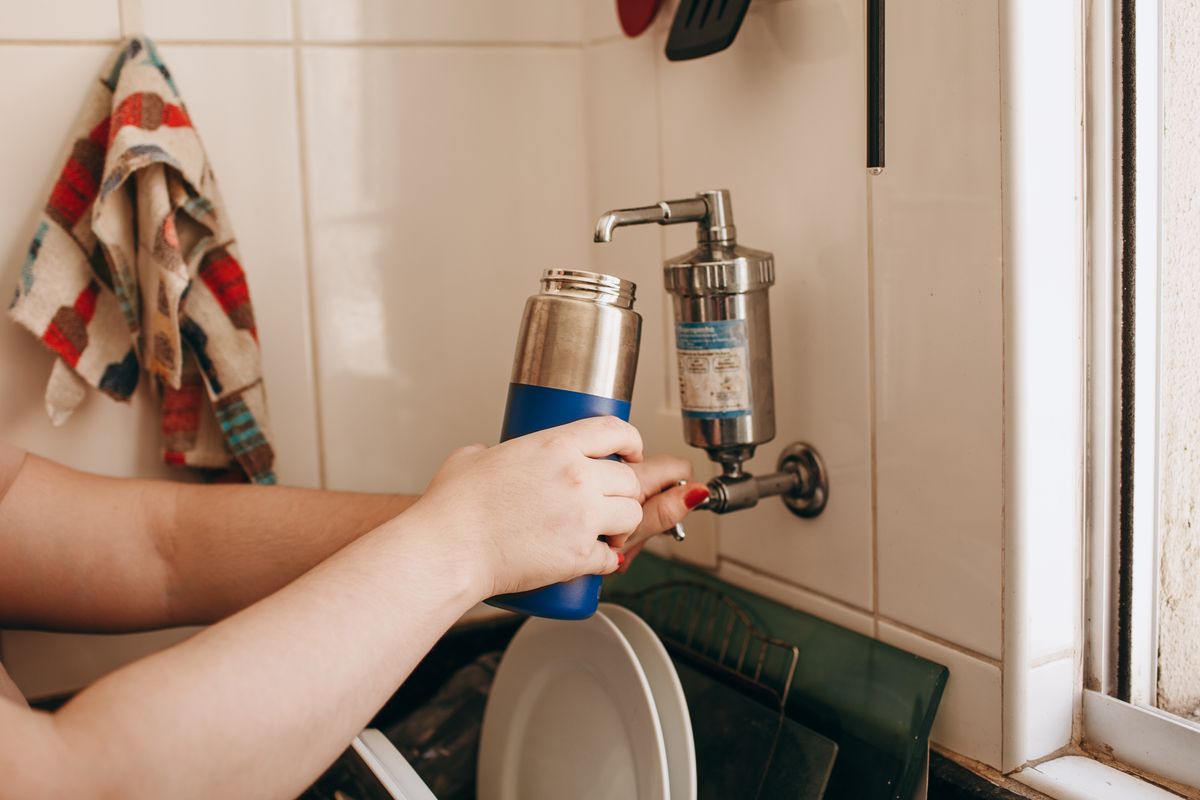
The water bottle that gets used is often the one that fits an ordinary Tuesday. Before comparing colors or insulation claims, map a typical day: when you leave home, where safe drinking water is available, how you carry your bag, and where the bottle will sit. An existing bottle may already handle those needs.
Capacity is a carrying decision
A large bottle reduces the number of refills but adds weight and takes up room. Someone with a refill point beside an office may prefer a smaller bottle. A longer outing without access to safe drinking water calls for a different plan. Capacity should follow the trip, with additional water arranged when needed; a compact bottle is not a reason to carry too little.
Measure the places it must fit. A backpack pocket, car cup holder, bicycle cage, or narrow shelf can rule out an otherwise appealing shape. Check the diameter of the body as well as the width of handles and lids. If you will carry it by hand, consider the filled weight rather than the empty weight shown in a listing.
Inspect the lid before the finish
A simple screw cap is easy to understand but requires opening and closing for each drink. A straw or flip lid may suit another routine, yet it introduces corners, valves, and seals that need attention. Look for a diagram showing which parts come apart for cleaning. Do not assume that a lid described as spill resistant is suitable for lying loose beside a laptop.
Check the intended beverages too. Hot liquids, carbonated drinks, and plain cold water do not create the same demands. Follow the specific product's restrictions and avoid improvising around them. For use during travel, make adjustments while stopped rather than trying to manage an awkward closure while driving.
Give cleaning a place in the routine
A wide opening can make it easier to reach the interior with a suitable brush. A removable gasket helps only if you can remove and replace it correctly. Check dishwasher instructions for the exact model, not just the material. Hydro Flask's guidance, for example, distinguishes newer bottles from older versions and its Trail Series. A brand name alone does not establish how every bottle should be washed.
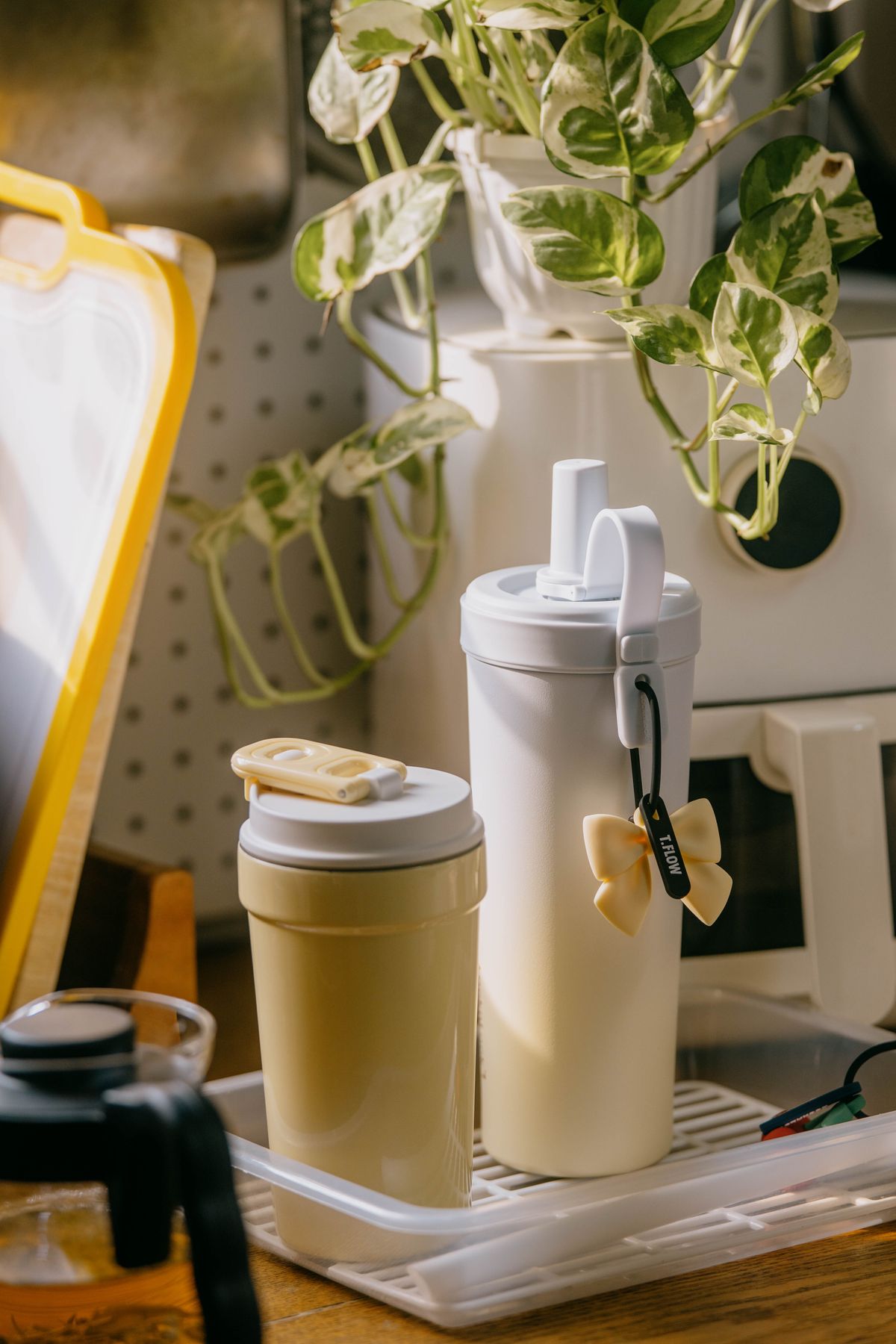
Choose a drying spot where separated parts will stay together. If small pieces disappear into a crowded dish rack, a small washable tray may solve the problem. Keep the care instructions with the model details so you do not have to reconstruct the cleaning method later.
Finally, search for replacement lids and seals before paying. Note whether parts are sold for this exact model and whether the bottle can still be used if an optional accessory breaks. Replacing one worn component is a more useful feature than a drawer full of unused attachments. If your current bottle is sound, easy to clean, and convenient to carry, continued use is a reasonable choice; a new design does not automatically improve the routine.