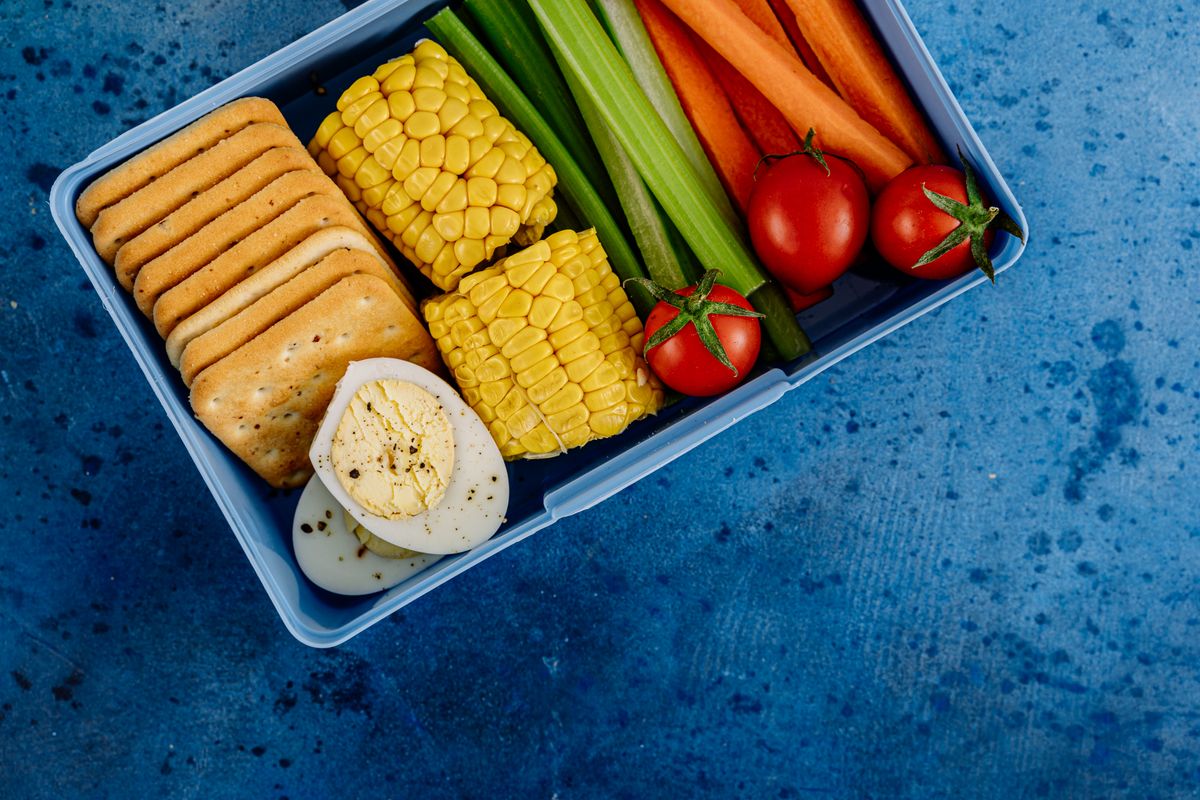
The right lunch box depends on the lunch. A sandwich may need little more than a simple container. Salad with dressing calls for different separation, while soup needs a container specifically intended to hold liquids securely. An elaborate arrangement of compartments is not useful if your normal meals do not fit it.
Use three familiar lunches as examples
Write down three meals you regularly pack and identify which ingredients must remain separate. Some dividers only stop solid foods from moving; they do not create liquid-tight compartments. A small dressing container may be easier to wash than a lid containing several separate sealing surfaces.
Compare capacity with a portion you already serve on ordinary dishes. A large container mainly creates a larger object to carry if you do not need the extra room. Include cutlery, cold packs, and any insulated bag in the space calculation. The complete setup has to fit your commute, not just your kitchen cabinet.
Plan temperature control separately
A normal lunch box does not keep perishable food cold on its own. Find out whether a refrigerator is available at the destination. USDA recommends packing at least two cold sources with perishable food in an insulated lunch bag and refrigerating the food on arrival when possible. If appropriate cooling is unavailable, change the meal instead of relying on the container's appearance.
For reheating, check the specific instructions for both container and lid or transfer the meal to a suitable dish. Do not assume a general material name proves microwave suitability. For a hot meal carried without reheating, use equipment designed for hot holding and follow its instructions rather than treating a regular sealed box as insulation.
Try the opening and washing routine
Latches should be comfortable to operate and close correctly after all pieces are assembled. Removable seals need a place to dry without disappearing. Check whether brushes can reach the corners and grooves. If the design requires more cleaning than you are prepared to do each evening, another shape may be a better fit.
Unload the container when you get home instead of leaving it in tomorrow's bag. Do not repack perishable leftovers with uncertain temperature history simply because they still look appealing. Start with one usable container and add another only for a specific meal that genuinely needs it. A coherent routine matters more than collecting every possible compartment arrangement.