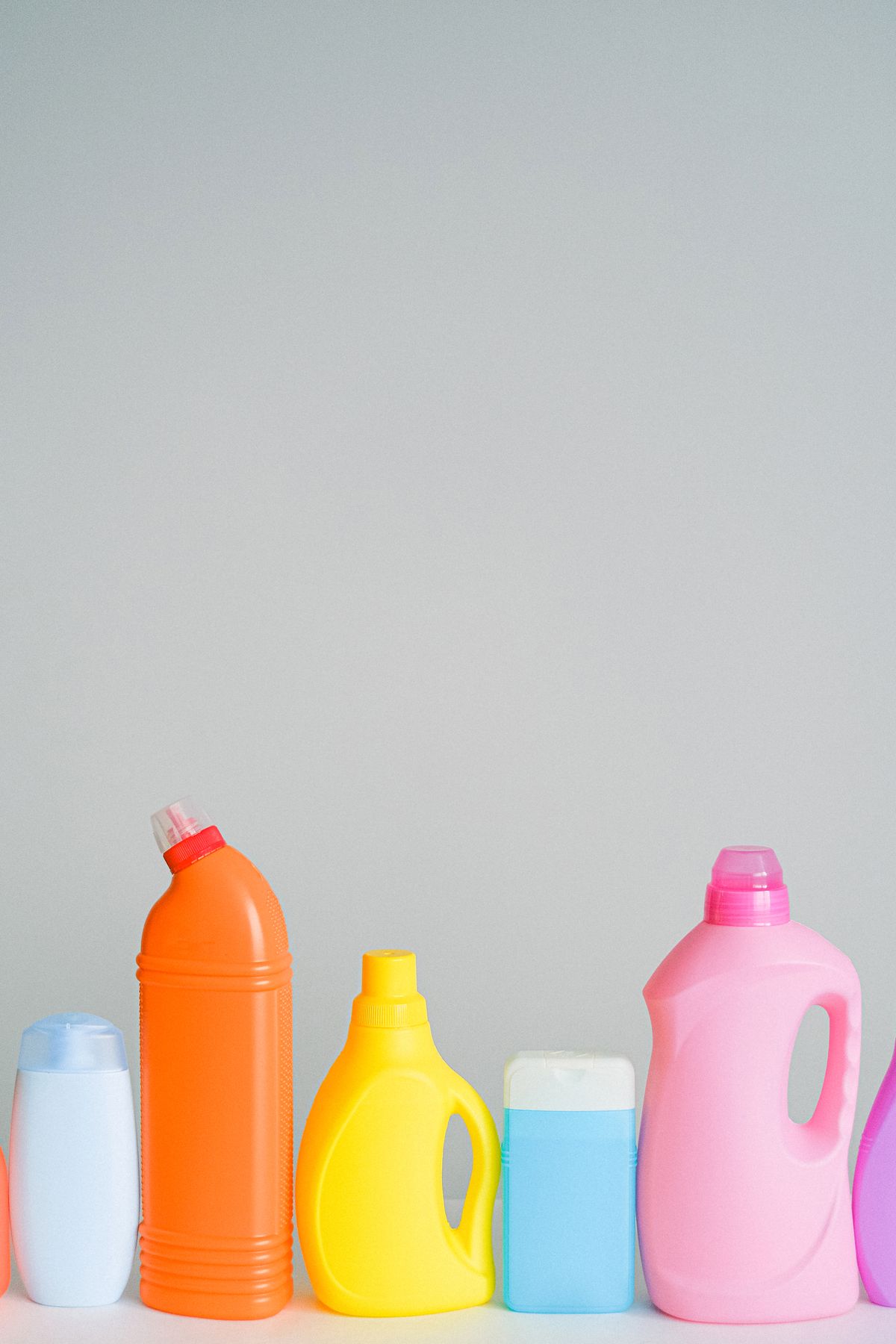
Cleaner refills may arrive as ready-to-use liquid, concentrate, powder, or a dissolving tablet. Package size alone does not make them comparable. What matters is the usable quantity produced according to the instructions, the surfaces the product is designed for, and the bottle needed to dispense it.
Compare products doing the same job
Identify the cleaning task first. A bathroom descaler and a cleaner intended for delicate wood floors are not interchangeable simply because both come in refill pouches. Check exclusions and permitted surfaces. A refill system is not useful if it cannot be used where you actually need it.
For concentrates, record the specified dose and the resulting ready-to-use volume. For tablets, use the instructed amount of water. Adding extra water does not automatically create better value because it changes the intended concentration. Making a stronger solution is not automatically more effective or safer for the surface either.
Calculate cost against the amount prepared as directed. Include any required bottle or replacement spray head. An existing compatible bottle may eliminate that initial purchase, but a bottle with the right-looking opening is not necessarily compatible. Check the refill system's instructions instead of assuming every household sprayer can be used.
Keep the container understandable
A bottle used repeatedly still needs clear identification. Preserve the product name, application directions, and relevant warnings. Removing every label to create a matching display makes the product harder to identify later. Never use a beverage bottle for cleaner. Store concentrates and tablets according to their instructions and where children cannot reach them.
Do not combine different cleaners or pour a refill into unidentified remnants. Follow the specified emptying, cleaning, and refilling procedure. The order of ingredients, dissolving time, and whether the sprayer should remain attached can vary. Shaking a sealed bottle vigorously is not a universal preparation method.
EPA's Safer Choice information explains that a natural-sounding ingredient name does not by itself establish safety. The program evaluates products against criteria covering ingredients and other requirements. When a product displays a certification, check the actual product rather than treating a broad brand claim as proof that every refill in its range qualifies.
Look at the packaging you will really use
Identify what remains after each refill and check the local disposal instructions for that material. A small package is not automatically recyclable or compostable. Avoid deciding solely from a leaf illustration or a vague environmental phrase. Also consider whether a large subscription shipment would create unused stock in your cleaning cabinet.
Buy one appropriate refill before committing to a large supply. Notice whether mixing is straightforward, the bottle stays sound, and the dose is easy to measure. If a cleaner is used only occasionally, theoretical savings from a large refill may not reflect your real routine. The most useful comparison is between systems that complete the same task, at their intended concentration, with instructions you can follow consistently.