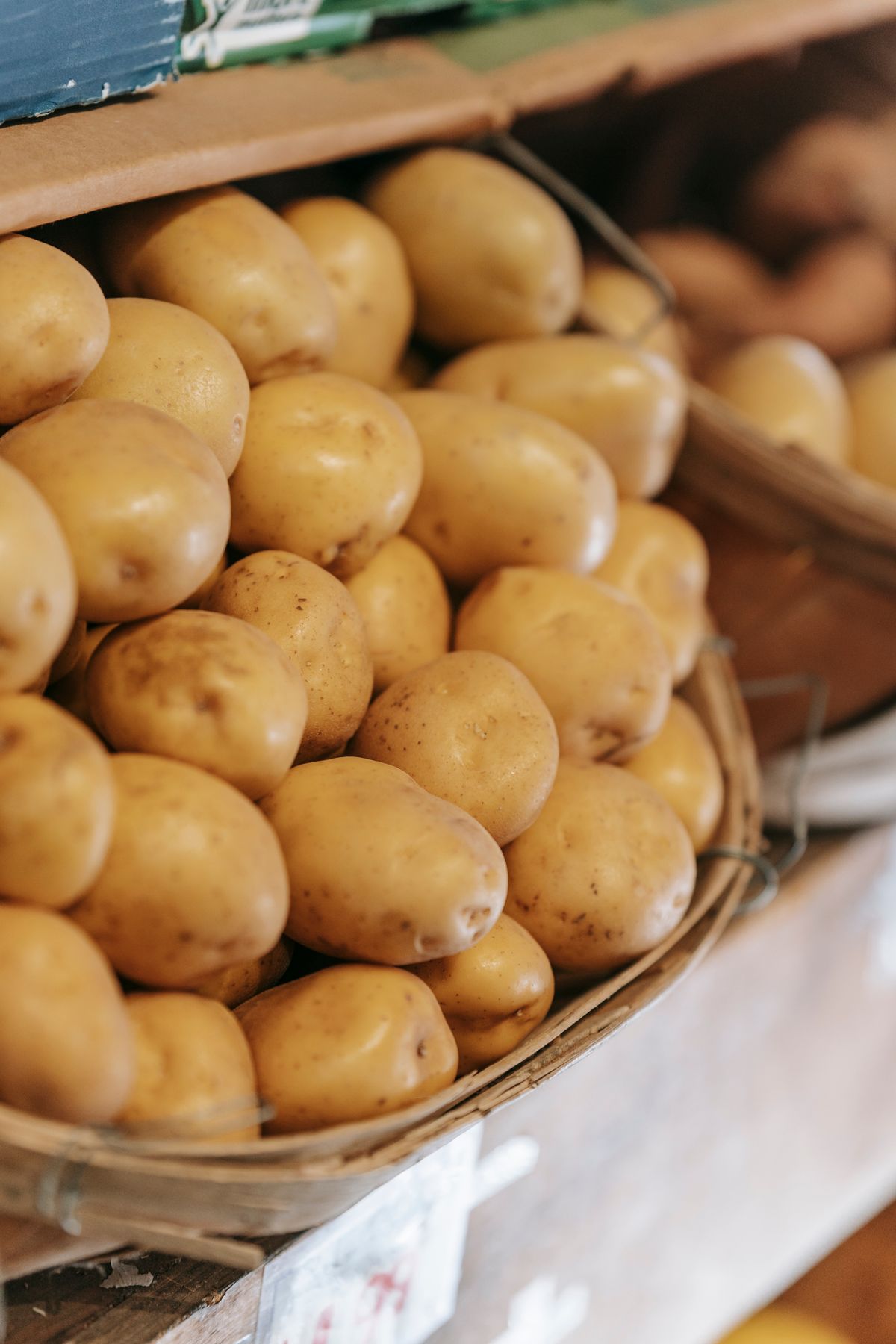
A large bag of potatoes can look economical until part of it disappears into a warm cupboard. The useful purchase size depends on your storage space as well as your cooking habits. An apartment kitchen and a house with suitable cool storage do not offer the same conditions. Choose a quantity you can manage instead of treating the largest bag as the default.
Look beyond the empty space
Whole raw potatoes need a cool, dark, well-ventilated storage location. A cupboard beside an oven may be dark but become warm during cooking. An open bowl by a window has airflow but exposes the contents to light. Check a proposed location when sunlight reaches that side of the room and when nearby appliances are running.
Use a suitable breathable bag or container that can be opened and inspected easily. Keep onions in a separate storage place rather than mixing the two in one deep basket. Avoid piling potatoes so deeply that damaged ones remain hidden at the bottom. A decorative box is not much help if its main effect is making the contents disappear from view.
Give the purchase a job
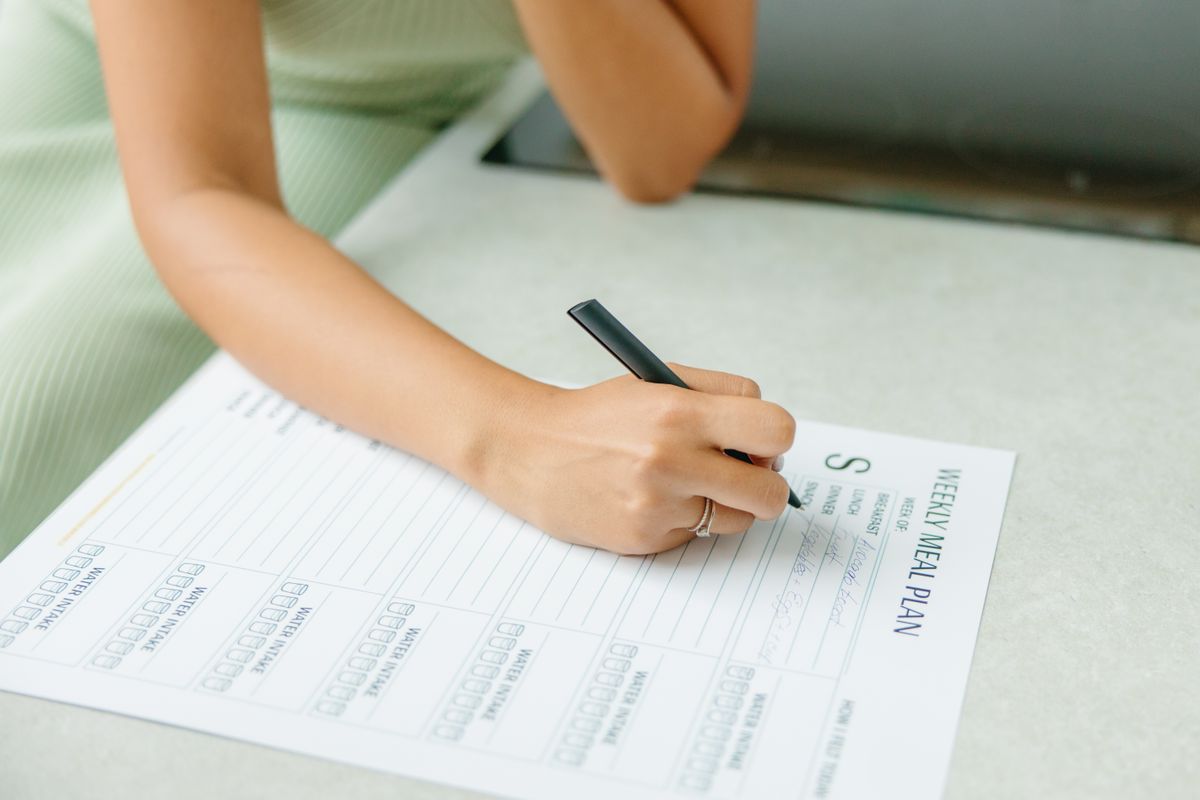
Before shopping, name the meals you expect to cook. One potato dish does not necessarily justify a large reserve. If you buy different varieties, keep their identity with them so you do not overlook an existing supply while looking for a particular cooking quality. A simple label attached to the bag is enough; a new set of storage accessories is optional.
Empty the current container briefly before adding a new purchase. Remove loose debris and inspect what remains. Put older sound potatoes where you can reach them, while keeping the new purchase distinguishable. Wash potatoes when preparing them for cooking rather than adding moisture as part of putting groceries away. Make the inspection easy enough that it happens during ordinary meal preparation.
Use observation to change the next purchase
Set aside green or heavily sprouted potatoes for disposal rather than assuming that longer cooking will make them suitable. Do not taste a questionable potato to decide whether to keep it. Reducing waste begins with preventing unsuitable storage and excessive purchases, not with finding a way to consume every damaged item.
If you repeatedly have potatoes left over, record the amount bought and the amount used over two shopping trips. That small record can show whether the problem is buying too much or forgetting a planned meal. A smaller bag may solve more than an expensive potato bin, particularly when the kitchen has no consistently suitable place for a large supply.