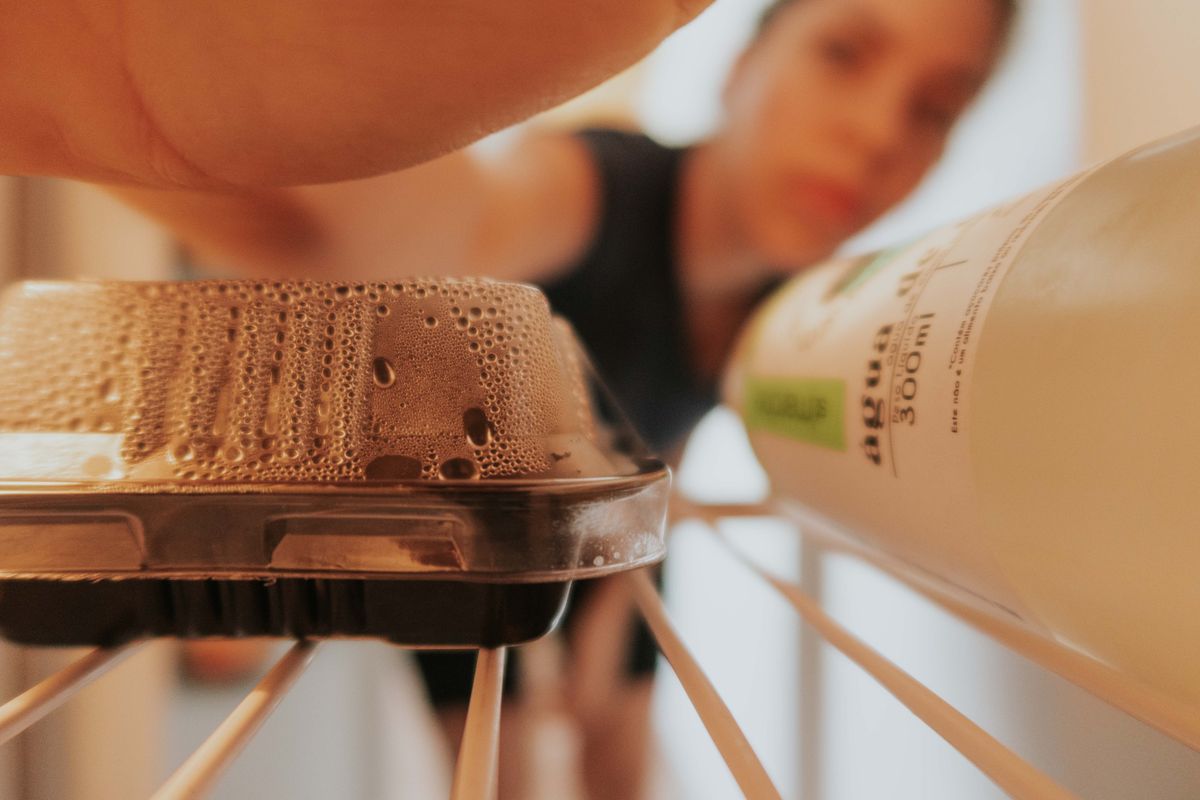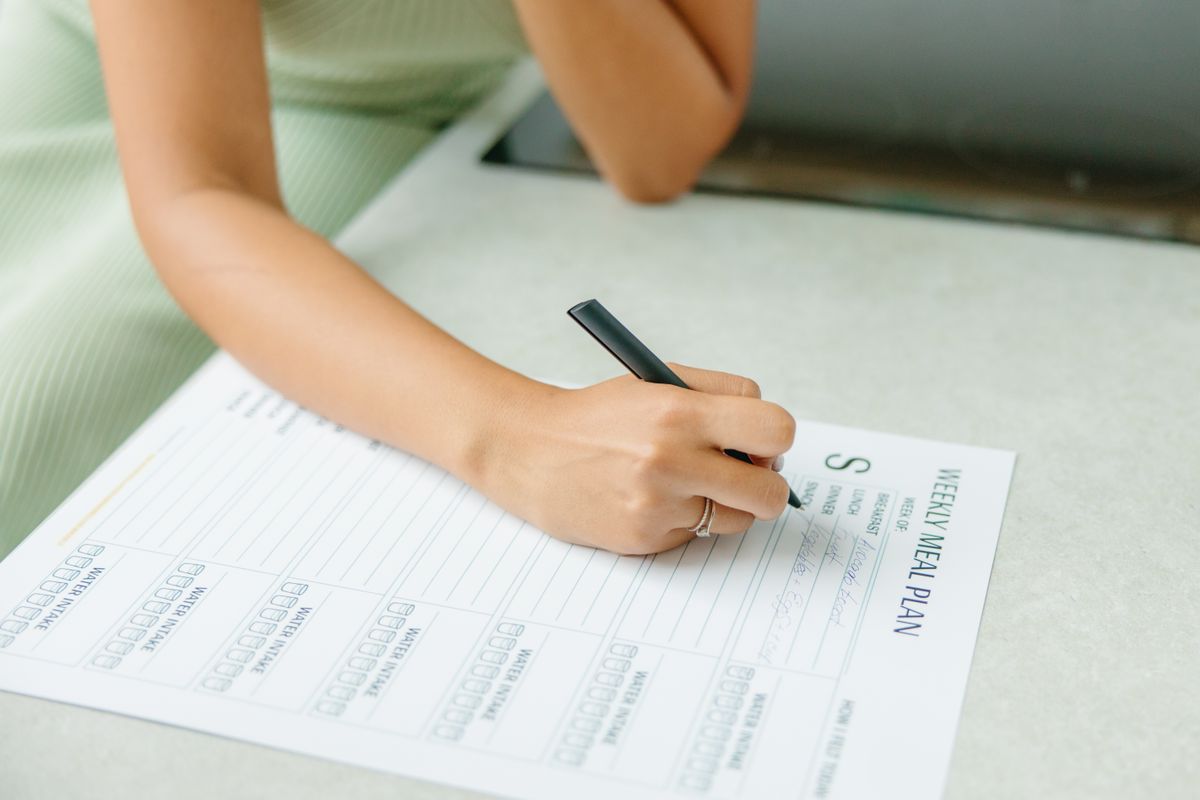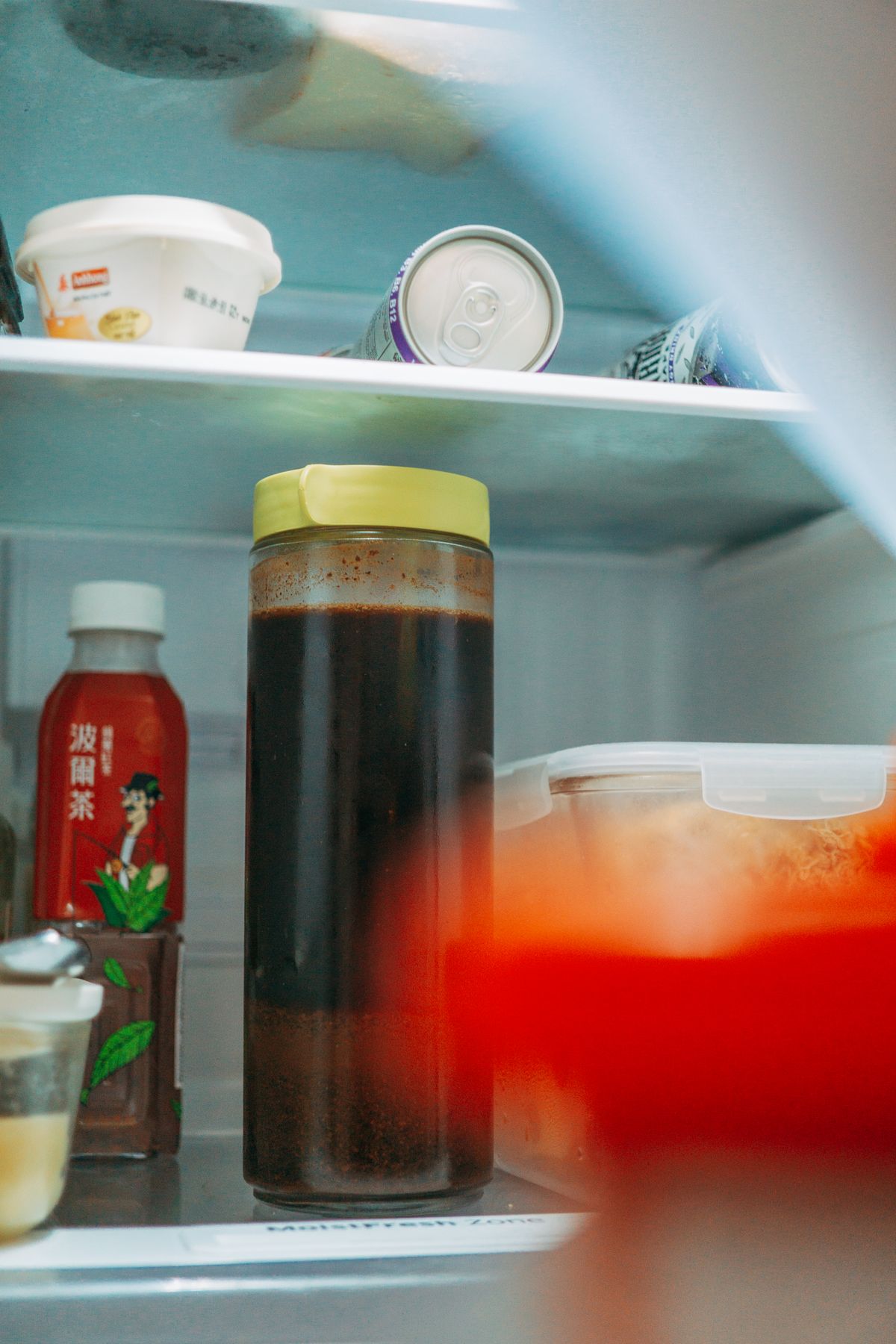
A refrigerator can look orderly while still making everyday cooking difficult. Tall bottles may hide small portions, unopened supplies can cover food already in use, and an attractive storage box can place an item in the wrong location. Begin with safe storage requirements, then arrange the space around the meals you make.
Establish the temperature first
FDA guidance calls for a refrigerator temperature of 40 °F or below and recommends checking with an appliance thermometer. Follow any specific storage directions on the food and the refrigerator's instructions. Do not assume that a drawer name or a control setting proves the temperature actually reached inside.
Keep raw meat, poultry, and seafood contained so their juices cannot reach ready-to-eat foods. Use appropriate closed storage and a placement that prevents drips. The easiest shelf to reach is not necessarily the correct location for every ingredient. Safety needs should determine any exceptions to a convenient household arrangement.
Make the next meal visible
Place small ready-to-eat containers where they are not hidden behind taller items. A shallow area for suitable foods you intend to use soon can help with planning. It should not become a deep pile where several opened packages disappear beneath each other.
Give frequent ingredients accessible positions that meet their storage requirements. Less frequently used products still need to be seen and checked. A jar used once a month should not permanently block the ingredients used every morning. Clear containers can help in some locations, but another bin is worthwhile only when it solves a specific access or visibility problem.
During grocery unpacking, look briefly at what is already present. Put suitable older supplies ahead of newer ones when their storage needs match. Make opened packages distinguishable from unopened stock. A small note with an opening date can help without covering the original label or instructions.
Leave room for change
A refrigerator is a working space rather than a fixed display. Groceries arrive, leftovers need suitable storage, and container sizes vary. Avoid packing it so tightly that cold air cannot circulate. Some spare space makes it easier to put food away promptly without rebuilding several shelves first.
Before a large shopping trip, consider whether the planned quantity can actually be stored. A discount is less useful when it creates an overcrowded refrigerator and makes existing food harder to find. Choose quantities around the meals and storage capacity available.
Clean spills promptly and keep storage areas maintained. A short recurring check can focus on what is open, what is planned for the next meals, and which information is missing. Moving food to a more visible shelf does not resolve an uncertain storage history or make an unsafe item safe.
Judge the layout by whether ingredients are found, used, and stored correctly. If the same item is repeatedly overlooked, try changing its location or the amount purchased. A different organizer is only one possible solution and may not address the reason the food is forgotten.