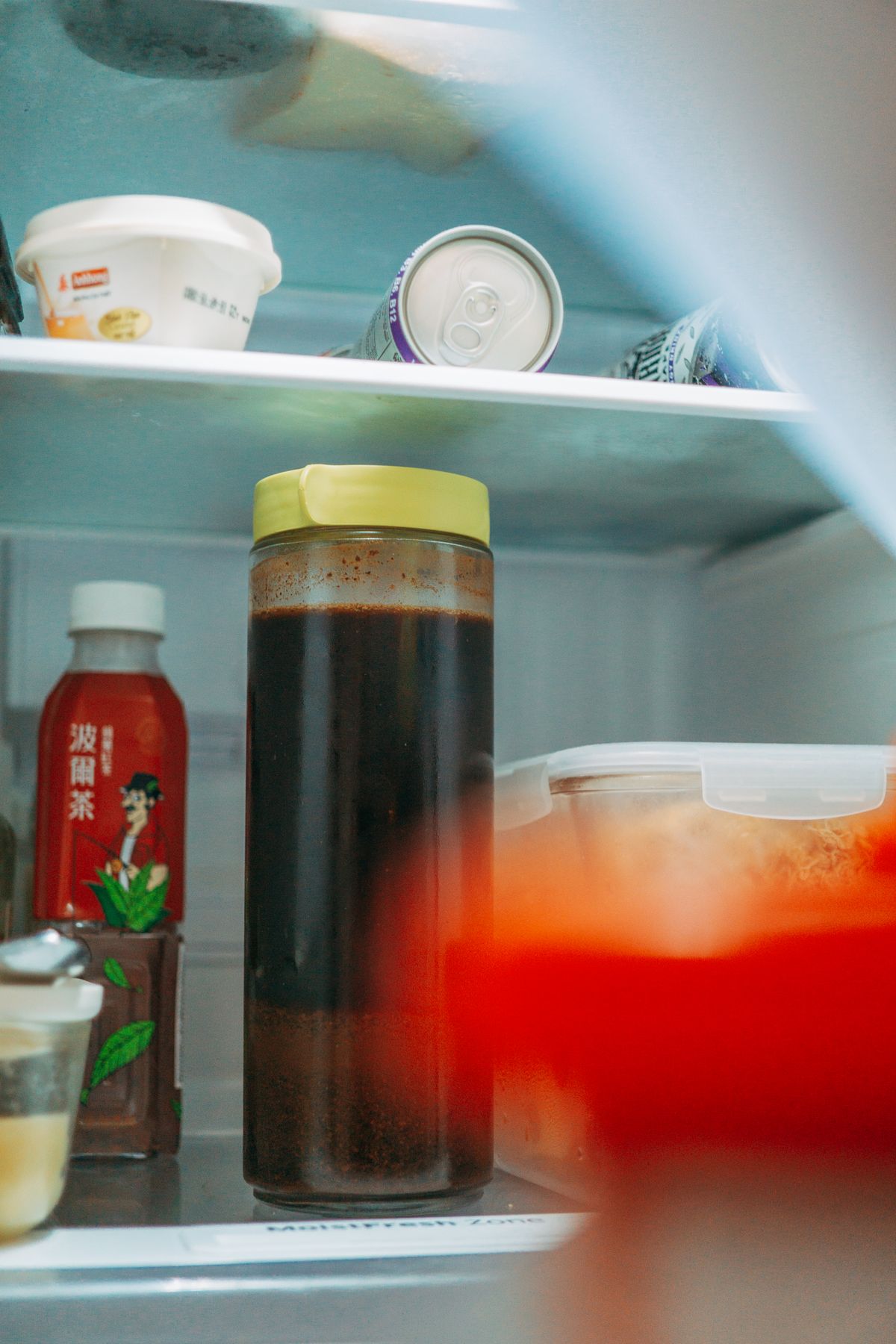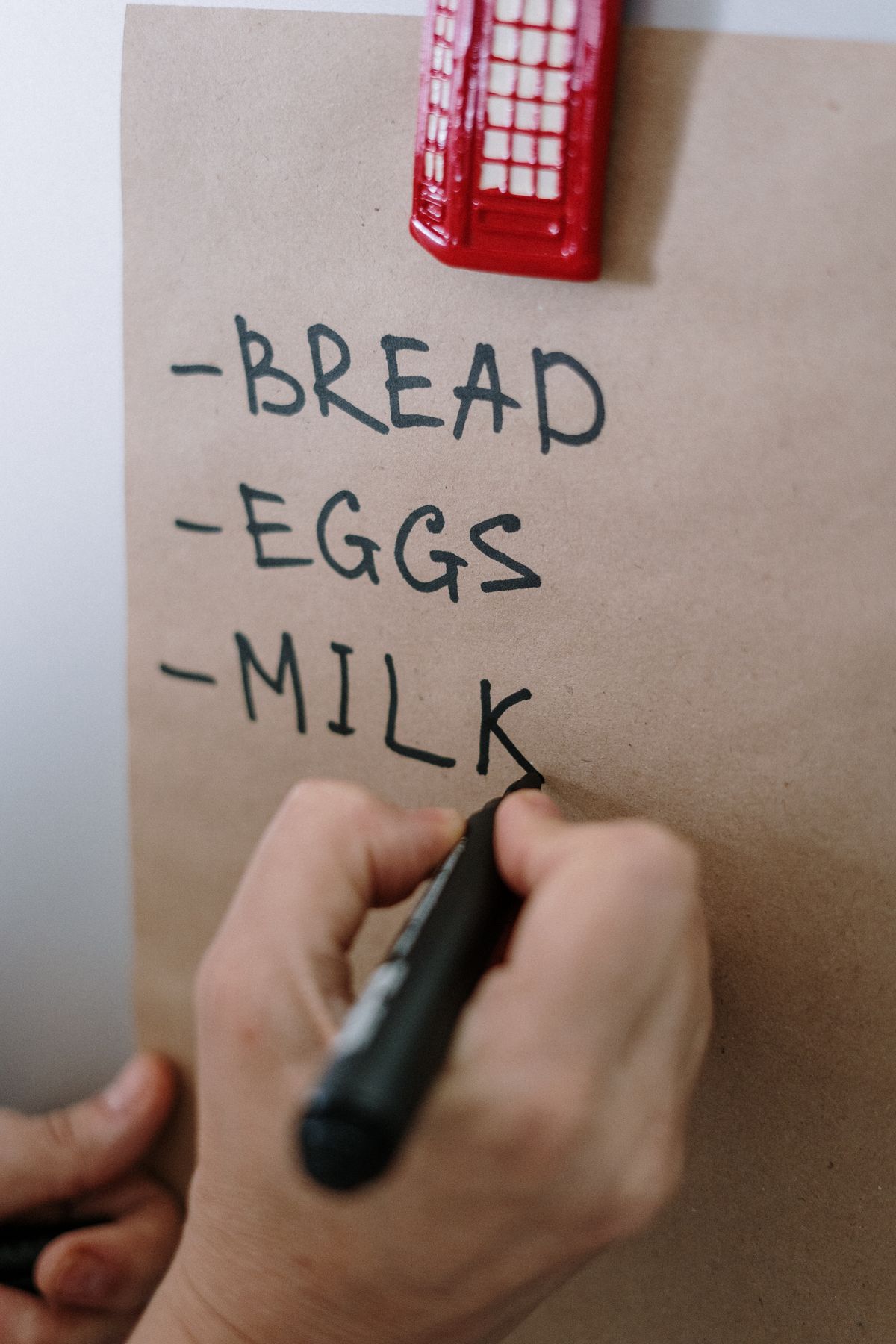
A grocery list written entirely from memory can include items already on the shelf while missing a small ingredient needed for dinner. A quick look at actual supplies is a better starting point than asking what sounds appealing while staring at an empty note.
Check storage in a consistent order
Look through the refrigerator, freezer, and pantry one at a time. There is no need to unload every shelf. Check the usual locations for ingredients needed in the next planned meals, and note partial amounts only when they affect the purchase. A nearly full bag does not require a detailed inventory entry.
Separate routine replenishment from recipe-specific purchases. A frequently used staple can go on the list when the supply reaches a sensible low point. An occasional specialty item should have a named use. An empty space in a cupboard is not, by itself, a reason to buy something.
Write a quantity another person understands
Add an amount or package size, especially when several people shop. Tomatoes could mean enough for one small salad or several dinners. Choose a quantity that can be checked easily at the store and that fits how much will actually be used.
Include acceptable alternatives when useful. If an ingredient is unavailable, a suitable package size or a change to the meal may be better than several precautionary substitutes. Important dietary or allergy requirements still need careful label checks; a generic list entry should not obscure them.
Grouping items by store area can make the trip easier without adding much work. Produce, pantry goods, and refrigerated foods are enough categories for many lists. The arrangement should help the shopping task rather than become a second household administration project.
Keep one current version
For shared shopping, use a list that everyone can update reliably. A paper note works when the household knows who takes it. On a shared digital list, completed purchases should be marked promptly. Two competing versions can produce duplicate items even when both look carefully organized.
Before paying, reconsider unplanned additions. Is there a realistic use for the item, and can it be stored appropriately? A promotion does not answer those questions. If a package is larger than expected, adjust the meal plan instead of hoping the extra amount will find a use.
After unpacking, record any recurring mismatch, such as another duplicate jar or more produce than the household finishes. Use that one observation to improve the next list. Accuracy can develop through small corrections without turning the whole kitchen into a stock-management exercise.