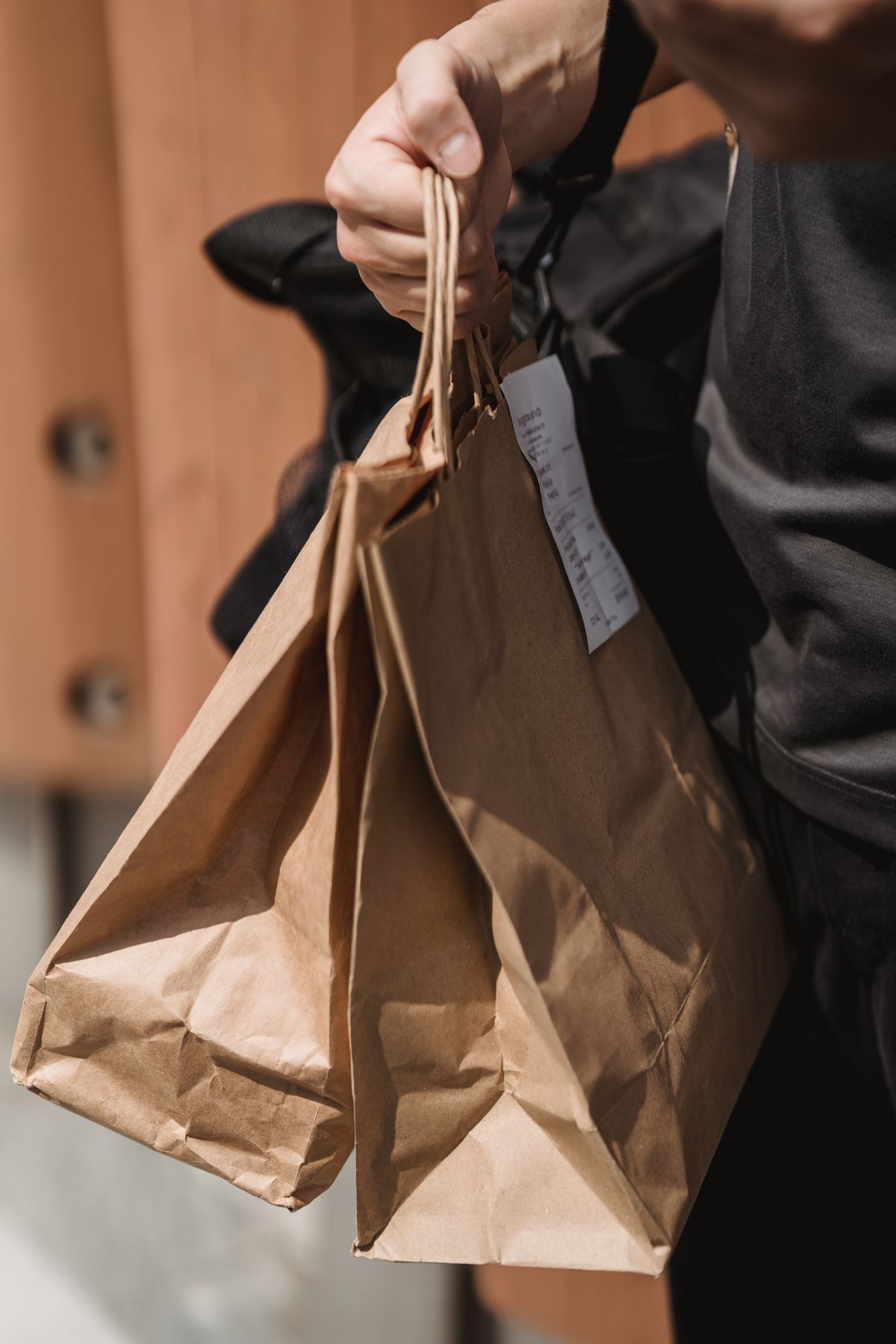
A paper bag can have another useful trip ahead of it, but keeping every bag is not the same as reusing one. Start with its condition and a likely next job. A sound grocery bag might carry a light purchase again, while one with a damp bottom should not be trusted with a set of glass jars.
Inspect the parts that carry weight
Look at the handle attachments, bottom seam, and folded corners while the bag is empty. Small tears are easier to see before the bag is loaded. Grease and moisture can leave weak spots. Avoid hiding damage under another fold and hoping the next trip will be short enough.
Flatten the bags worth keeping and put them in a narrow space near your shopping totes. Choose a fixed amount of room rather than an unlimited collection. If you cannot see the sizes, arrange them from small to large. That makes it easier to take an existing bag when leaving home instead of collecting another at checkout.
Match reuse to the previous contents
A clean bag may organize lightweight items for donation, protect a small gift, or hold plain packing paper. Remove personal shipping details before handing it to someone else. For direct contact with unpackaged food, use material that is intended for that purpose and remains clean; an old parcel bag is not automatically food suitable.
Paper appearance can be misleading when a bag has a plastic lining or another coating. Check the package description and your collection program before treating it as ordinary paper. Do not assume that a brown bag is suitable for a food-scrap service either. Composting programs specify the liners and paper products they accept.
Give the reserve a way out
Assign useful bags to actual plans. Place one with items you intend to give away, or leave a folded one inside the shopping bag you already take. A supply stored in a difficult cupboard can be forgotten even when it is neatly arranged.
After a few weeks, remove sizes you never use. Follow local recycling guidance for clean paper bags and separate any components it asks you to remove. Food-soiled or coated bags may need another route. If a bag has become damp, do not conceal it inside a stack of dry ones.
The aim is a small working reserve, not a second packaging cupboard. Buying less additional packaging and keeping a few sound bags in circulation is easier when each bag has a clear use and the whole collection can be reached without emptying a shelf.