A date on the calendar does not establish that compost is ready. Ingredients, weather, mixing, and management differ between piles. Before spreading the material, assess its actual condition and decide what job it will do. A garden bed, a seed-starting mix, and a container plant do not necessarily have the same requirements.
Combine the visible clues
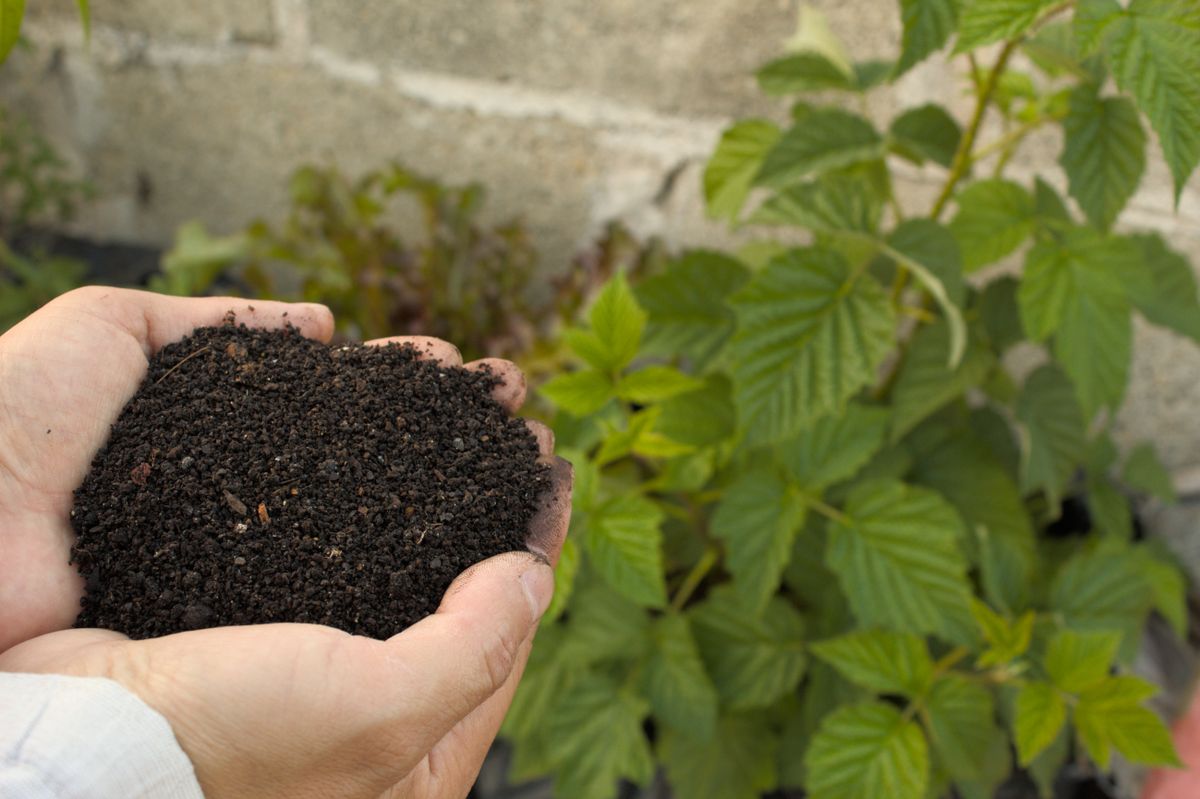
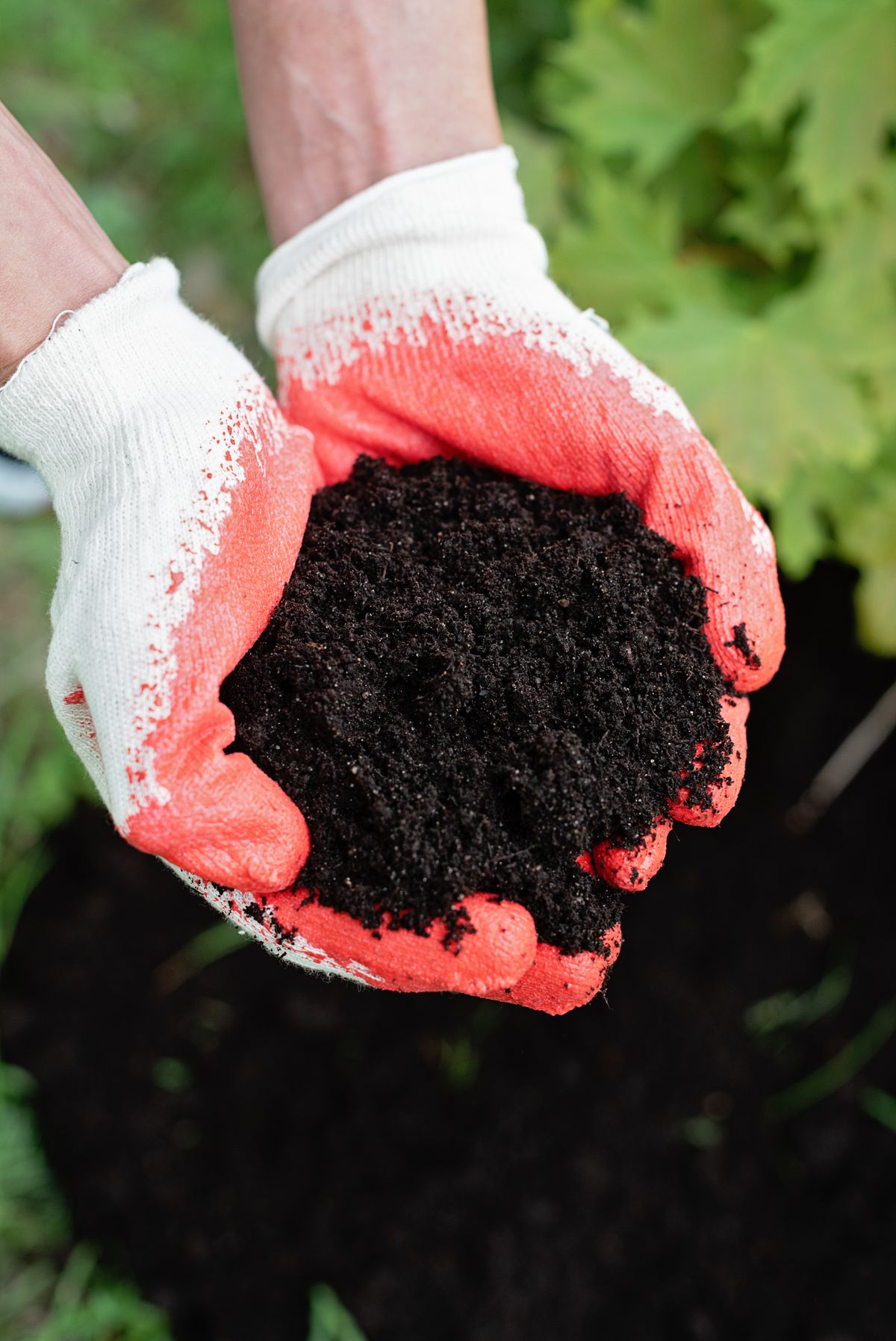
University of Minnesota Extension describes finished compost as dark brown, crumbly, and earthy smelling. Those are useful indicators, but they are not a laboratory analysis of nutrients or unwanted substances. Dark material with many recognizable fresh scraps, or material of uncertain origin, deserves further assessment rather than an automatic label of “finished.”
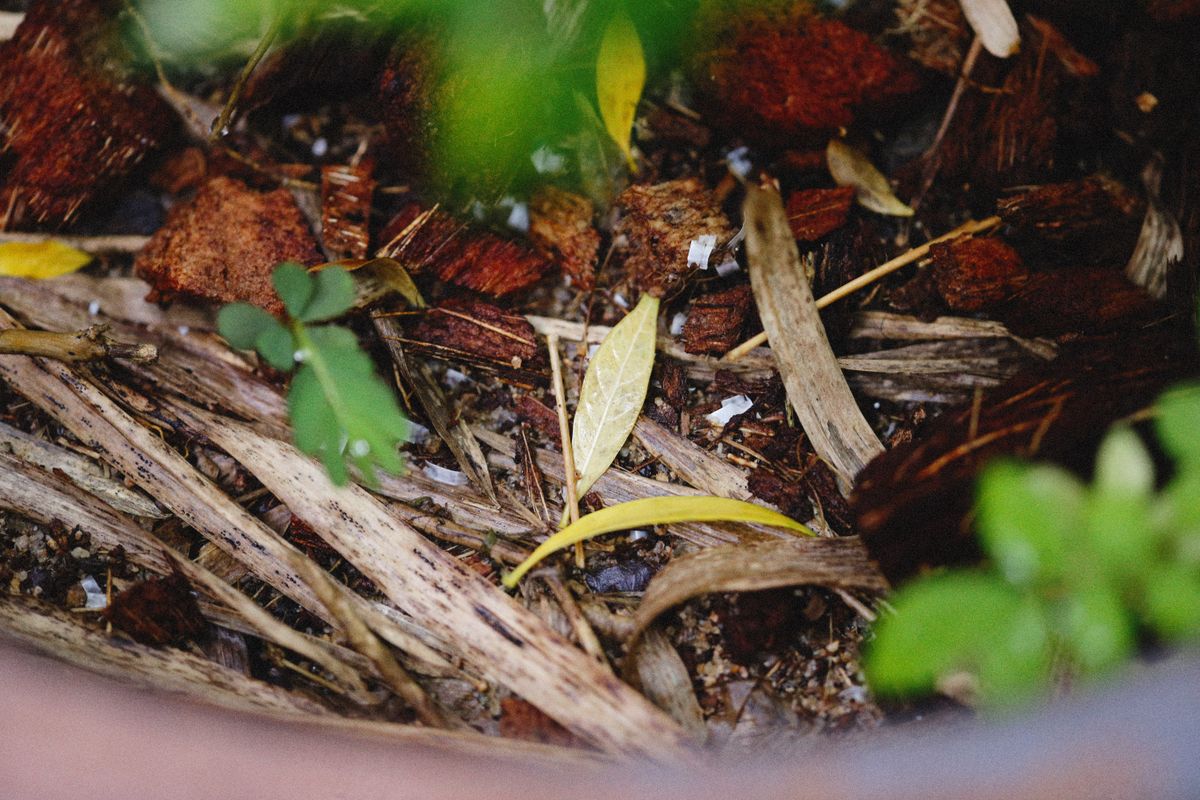
Inspect a manageable sample before emptying an entire bin onto a bed. Look for larger pieces, foreign objects, and clearly unfinished ingredients. Set suitable coarse plant material aside for further decomposition. Remove contaminants through an appropriate disposal route rather than repeatedly returning them to the pile.
Choose the application first
Identify the area you intend to treat and the amount actually needed. When soil conditions or nutrient levels are uncertain, local extension guidance or an appropriate test can help. The volume available should not be the only reason for deciding how much to apply. Homemade compost is also not automatically a complete growing medium for every container plant.
Prepare only a manageable quantity for transport. Several light loads may work better than an overfilled wheelbarrow. Clear the route and decide where the material will wait if you cannot use it immediately. This reduces the temptation to dump it in an arbitrary place simply because the original plan became awkward.
Keep batches distinct
If fresh materials are still being collected, clearly separate the finished-compost area from the active pile. A simple label can prevent someone from adding kitchen scraps to material already set aside for use. Record unresolved concerns when the source or ingredients are unclear. This is more informative than making a broad claim about quality based only on appearance.
After application, observe the treated area as part of ordinary garden care. Keep any analysis or purchased-batch information so that later questions have a reference point. For homemade compost, a few notes about ingredients and use can improve the next cycle without turning the garden into a complicated recordkeeping project. The purpose is to make a deliberate use decision, not to find a way to dispose of the entire pile as quickly as possible.