The unused corner at the back of the yard is not automatically the best place for compost. If reaching it means crossing wet beds or struggling to turn a wheelbarrow, every small task becomes awkward. Choose the location by following the routes you will actually use to add material, maintain the system, and remove finished compost.
Test the route before installing the bin
Walk from the kitchen to the proposed spot carrying the container you expect to use for suitable food scraps. Open gates and consider steps, narrow passages, and somewhere to set the container down. Repeat the exercise in your mind for yard material and the eventual finished product. Frequent short trips matter as much as an occasional large removal.
Mark the system's footprint temporarily. Include room to open its lid and reach the removal side. A multibay setup also needs working space for moving material between sections. An enclosure may fit neatly into a gap while leaving too little room to operate it.
EPA's backyard compost guidance recommends a shady or partly shaded location near water. Treat that as one part of the planning rather than the entire decision. Check what happens during rain and whether you can work without standing in a persistently waterlogged area.
Plan for the system you will actually use
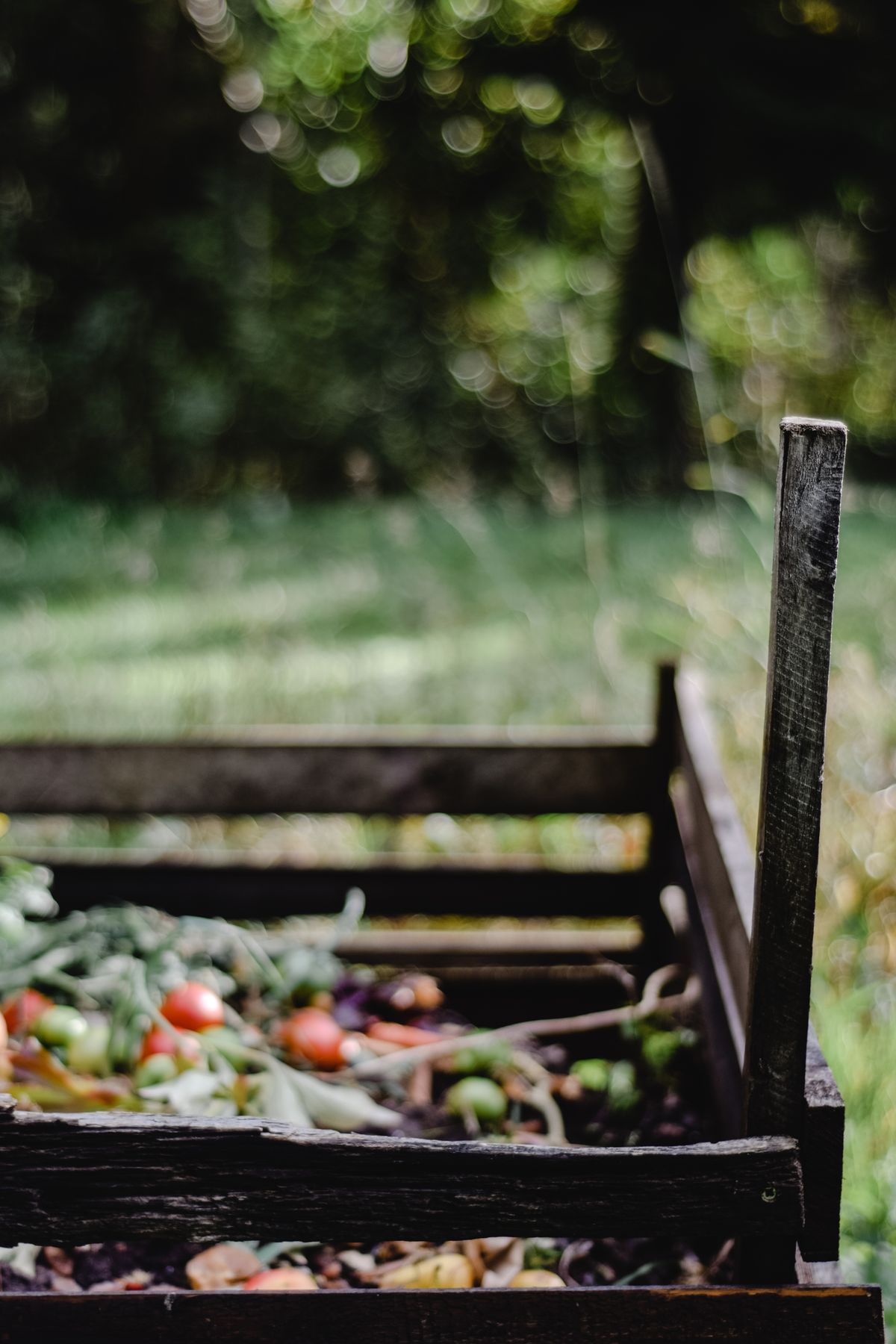
A ground-level bin, enclosed tumbler, and worm bin have different requirements. Follow the selected system's setup instructions rather than combining unrelated arrangements. Decide which materials you intend to process and whether their volume suits the planned container.
Look at neighboring uses, including seating, windows, paths, and property boundaries. Check relevant local, rental, or association requirements where they apply. Discussing the location with others who share the space can prevent a conflict after installation. Keep necessary access open and do not plan a structure that extends onto someone else's property.
A reachable supply of suitable dry material and a place for tools can make routine additions easier. Those supplies should not block the working side of the bin. Use appropriate existing storage before buying more containers, and base the arrangement on materials you can actually obtain.
Observe the location for a few days before constructing a permanent enclosure. Notice wind, movement through the yard, and changing shade. Record the details that affect your use rather than trying to reproduce a picture of an ideal garden. A sensible site does not guarantee good compost, but it removes avoidable obstacles from each later maintenance task.