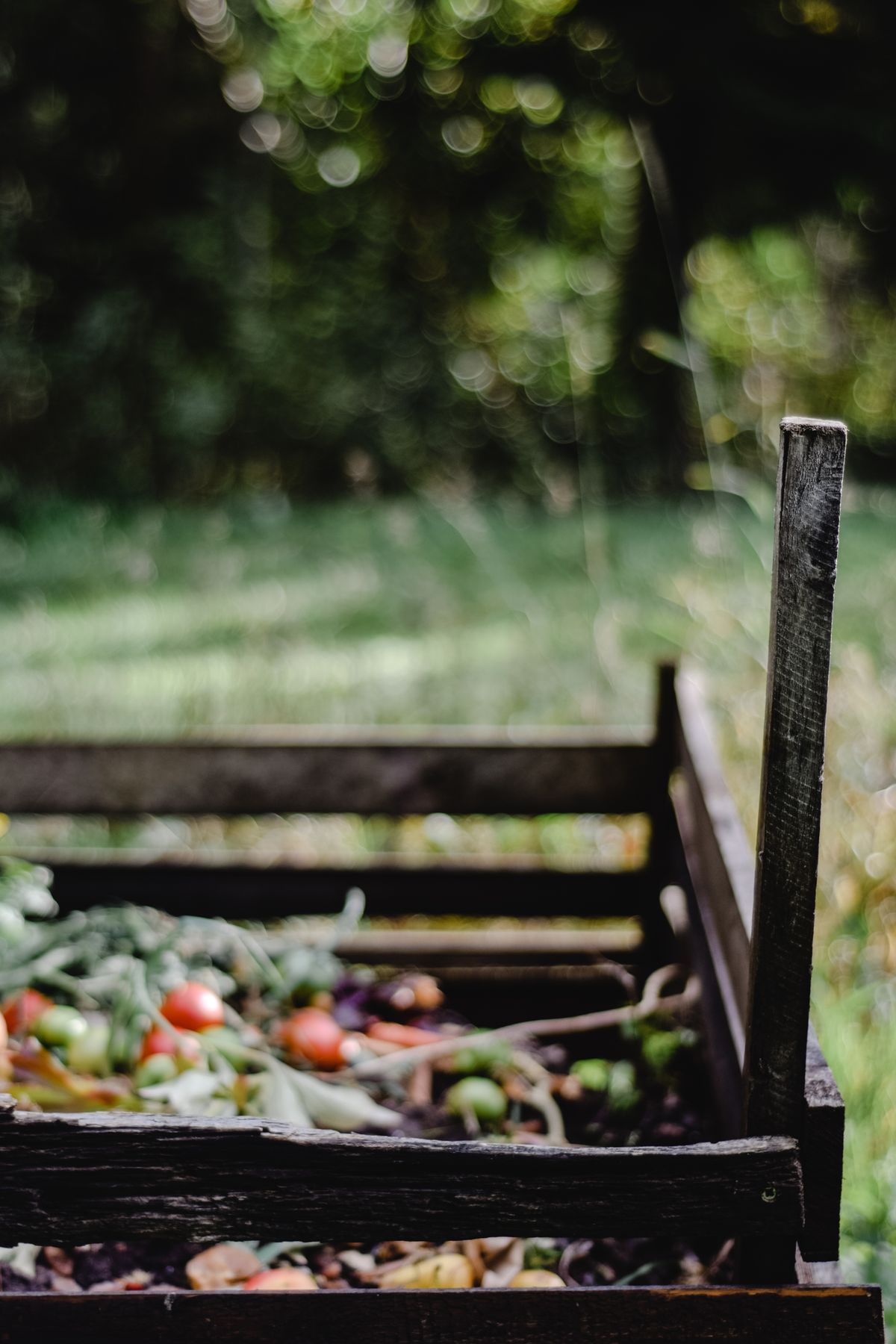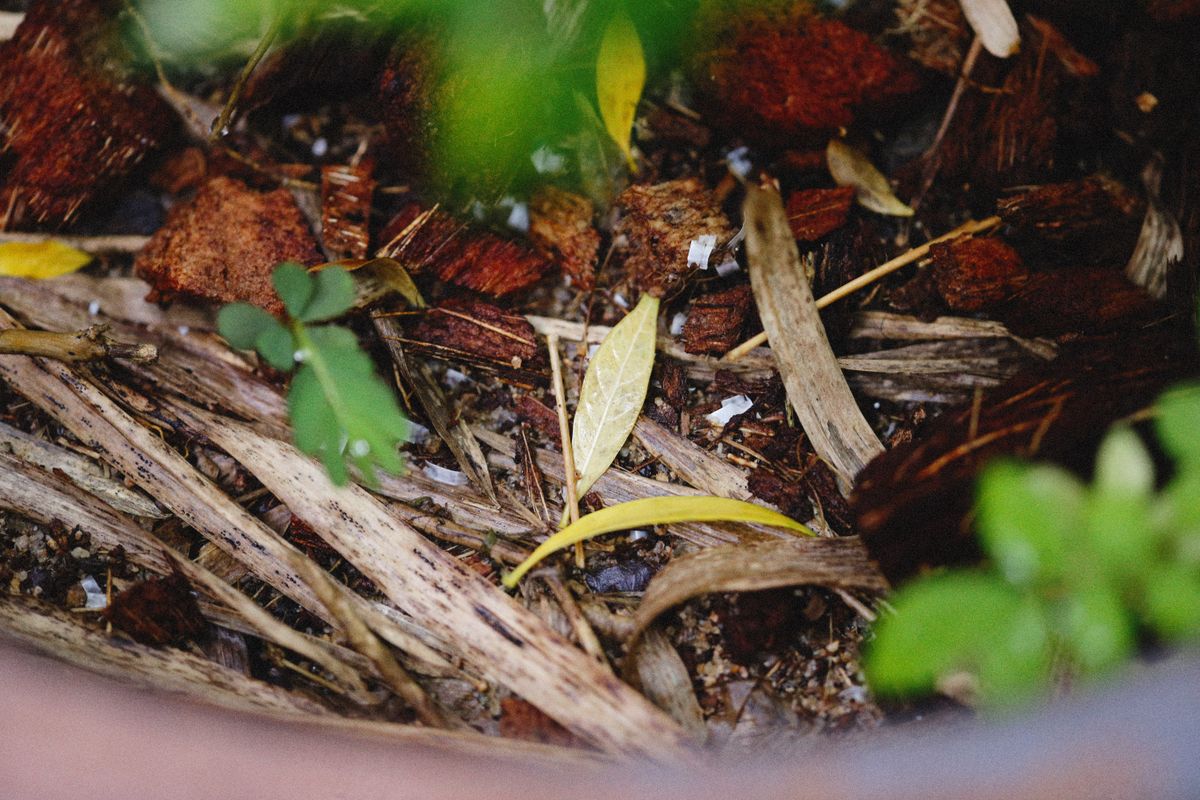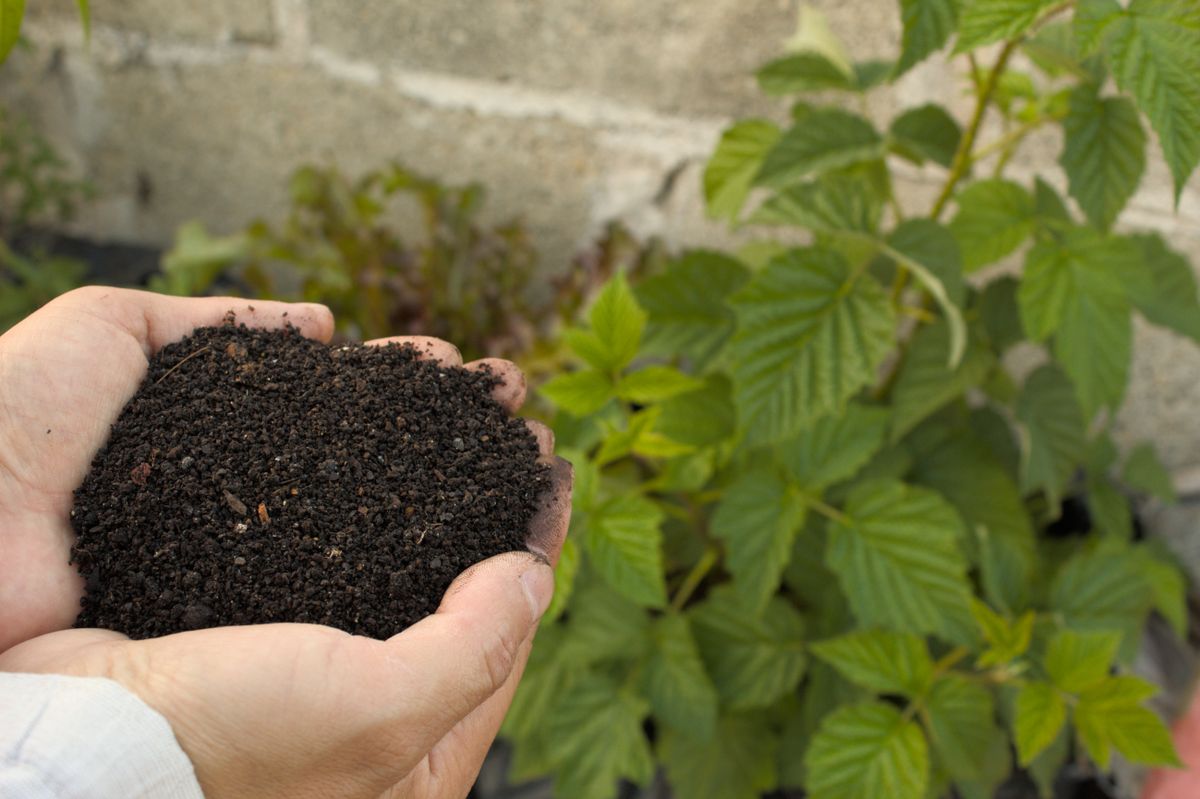
A dry-looking surface is only one observation. The material underneath may feel quite different, and a freshly wet top layer can hide an uneven pile. Before reaching for the hose, inspect a few accessible areas so your next step addresses the condition you actually have.
Choose a repeatable inspection
Use a suitable garden tool to open two or three small areas. Wear garden gloves, avoid leaning into airborne dust, and wash your hands afterward. Compare material that has been in the pile for a while, rather than judging everything by a freshly added piece of fruit or a handful of new leaves.
Oregon State University's compost guide treats insufficient moisture and excess moisture as different problems. It describes adding water while mixing dry material and adding dry browns when the pile is too wet. Checking first helps you avoid responding to both conditions with the same automatic action.
Keep the inspection manageable. You do not need to dismantle an entire bin to establish whether the outside edge differs from the center. If access is difficult, use the opening intended by the manufacturer and stay within comfortable reach. Do not climb on the container or balance on loose blocks to get to an awkward corner.
Adjust a small area and reassess
For a dry section, prepare a watering can before opening up the material. Applying water in stages makes it easier to observe where it goes. Pause between applications, redistribute the affected material as appropriate, and check again. A large quantity delivered to one spot makes the result harder to assess.
If a wet area appears as a dense layer, think back to recent additions. Did a large batch of one material go in together? Was water directed into the bin from a nearby surface? A quick note about the likely cause can be more useful than recording the exact amount of water added on a different day.
Check the setting as well as the contents
After a storm, look at the ground around the pile and the route taken by runoff. During a dry spell, note any changes in exposure or the cover. Revisit the same inspection points so you can distinguish a local problem from a condition affecting the whole pile.
A standing appointment can help you remember to inspect, but it should not become a rule to water on schedule regardless of conditions. Let the observation determine the task. If the container is standing in water, address its placement or drainage before relying on repeated mixing. Moving a heavy bin may require help and a separate plan; it is not a job to improvise while carrying a full watering can.