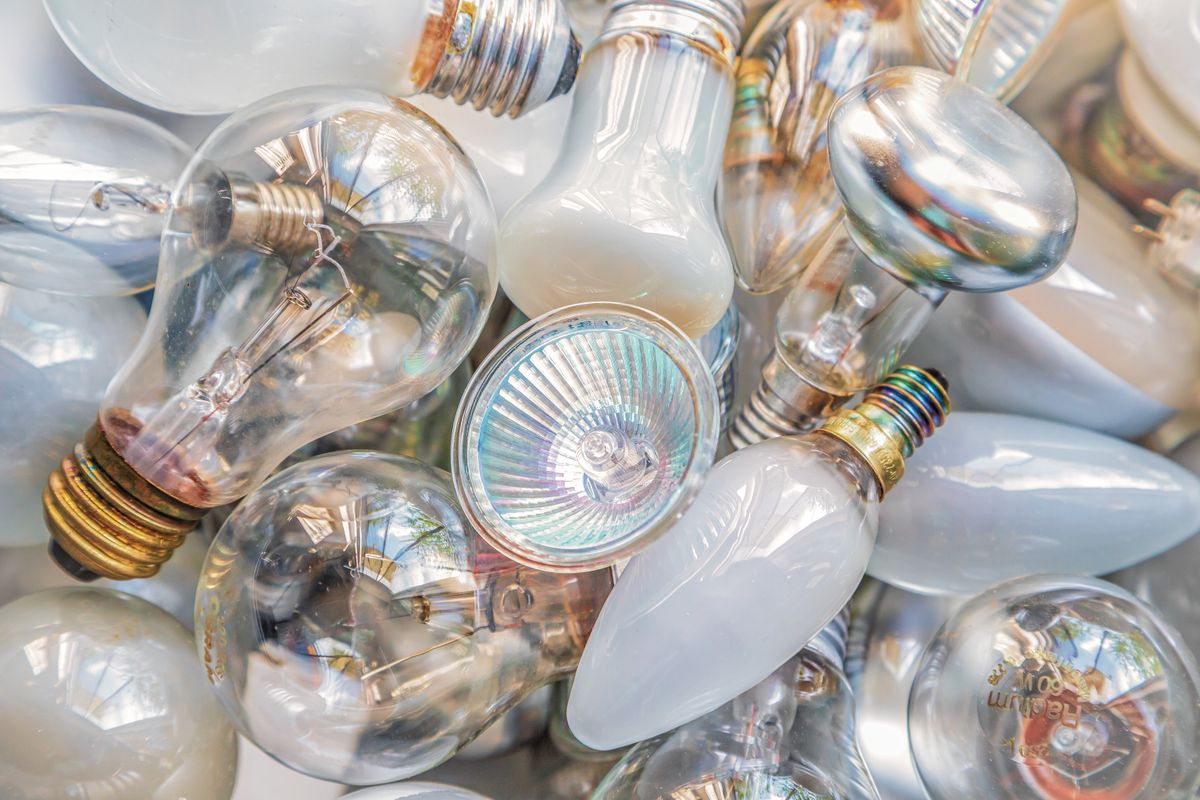
A used light bulb often waits in a drawer because its disposal route is unclear. Start by identifying the type rather than treating every glass-shaped lamp alike. An LED, a fluorescent lamp, and an older incandescent bulb may require different handling and collection options.
Identify before choosing a bin
Read the marking on the lamp or its original package. If the type is uncertain, take a clear photograph of the writing and ask your local waste service. Do not break open a bulb to identify it. A community collection directory may list fluorescent tubes, compact fluorescent lamps, and LEDs separately.
Mercury-containing fluorescent lamps require particular care. EPA recommends recycling these through suitable programs and provides separate instructions for a broken CFL. Check your state and local rules, since requirements and drop-off options differ. A retailer's collection box may accept only certain lamp shapes or types.
Protect the used lamp
After a lamp has been safely removed and allowed to cool, put it where it cannot roll off a shelf or be crushed by other objects. A fitting original sleeve or box can help protect it. Mark it as used or failed so nobody mistakes it for a spare. Keep long tubes supported rather than leaning them loosely in a busy corner.
If a fluorescent lamp breaks, follow EPA's current cleanup guidance or instructions from your local health or environmental authority. Do not apply a casual broken-glass routine without checking the special steps. Keep people and pets away from the area while you establish the appropriate response.
Make one planned handoff
Before leaving home, confirm the facility's hours, accepted bulb types, and any limits. Do not force a long tube into a small collection opening or leave it beside the box. Ask staff where it belongs. Keep the protective packaging with the lamp during transport according to the receiving program's directions.
At the time of replacement, record the fitting and relevant specifications of the new lamp. This reduces the chance of buying unsuitable spares. Store functioning replacements separately from lamps awaiting collection, even if both are kept in one cupboard. A small labeled storage space makes the routine easier to remember. When it contains a used lamp, connect the drop-off to an upcoming suitable errand. The aim is an actual next destination rather than a growing drawer of unidentified bulbs.