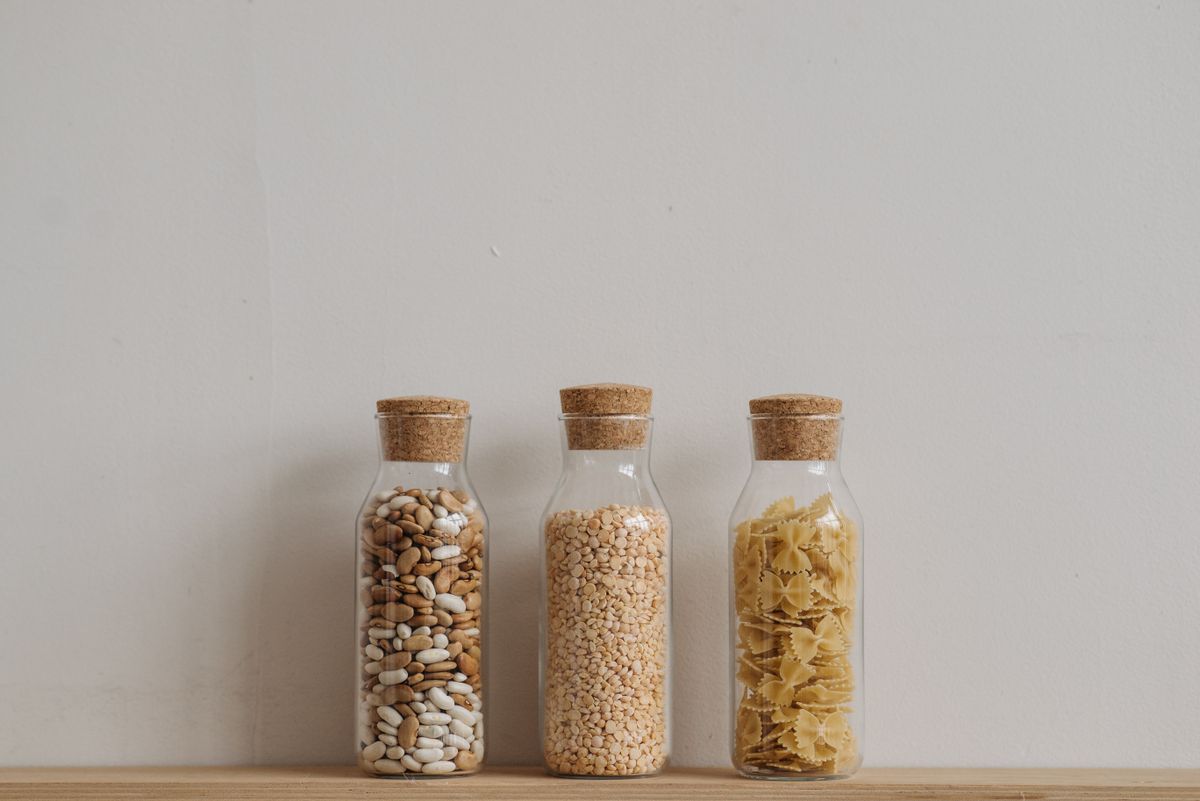
A glass container can look uncomplicated in a product photograph. Daily use also involves a heavy base, a shaped rim, and a lid that may not tolerate the same conditions as the glass. Evaluate the entire system rather than assuming the material alone answers every question.
Think about the filled weight
Weight may matter less for a container that stays in the refrigerator. For a daily commute, the base, food, and other items in your bag all add up. Try carrying a similarly weighted container you already own along your normal route before buying several replacements.
A broad shallow shape suits different meals from a narrow tall one. Measure the refrigerator shelf and leave enough space to lift the container out. A stackable set is helpful only when frequently used pieces remain accessible. Heavy glass should not balance precariously on small or tilted lids.
Do not infer temperature permissions
Glass is not a universal approval for ovens, freezers, or microwaves. Read the directions for the specific model, including restrictions on rapid temperature changes. Lids, seals, and metal latches may have separate limits. If the instructions are missing, identify the model and seek reliable product information rather than borrowing directions from a similar-looking item.
Inspect the rim and surface for chips or cracks. A damaged food-contact edge is not just an appearance issue. Do not improvise a food-contact repair with glue or coating. A damaged lid, however, may be replaceable when the manufacturer offers the exact compatible part.
Look closely at the less visible parts
The glass base is usually easy to inspect, while residue inside the lid can escape notice. Remove only parts designed to come apart and check sealing grooves and hinges. Let components dry before storage. A lid that takes excessive force to close deserves inspection for incorrect assembly or a size mismatch.
Record the model and volume once a container works well for you. That makes additions and replacement-lid searches more precise. Start with a size that serves a particular meal or quantity rather than assuming a full set will find its own uses. Intact containers already in the cupboard do not need replacement simply to create a matching glass collection. The useful choice is a secure, accessible, and maintainable container for the job at hand.