When the final plant is in place, the gardening job is nearly finished. A short closing routine for the spade, pruners, and trowel determines what condition they will be in next time. Make that routine small enough to complete after a tiring task, while still giving visible problems proper attention.
Create an end-of-job place
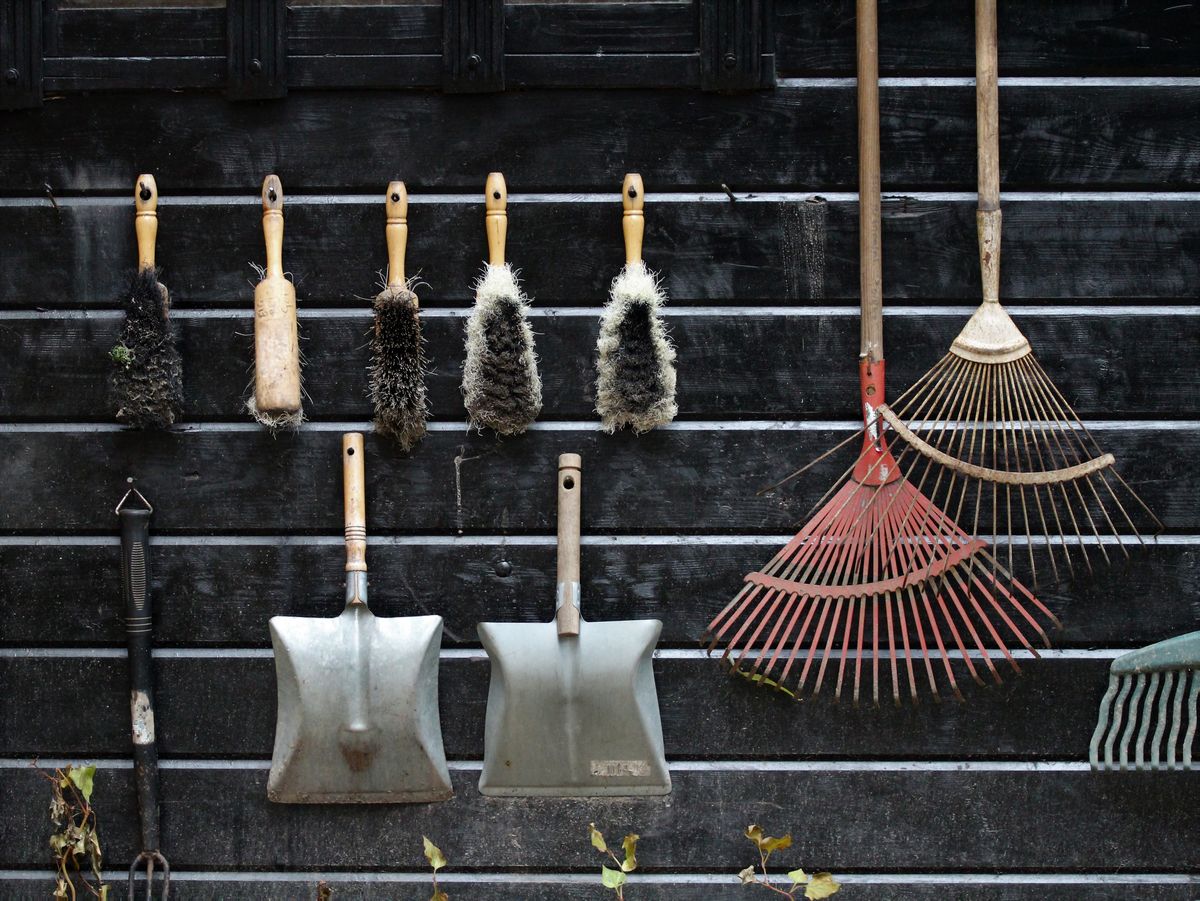
Choose a spot where debris can be removed and tools can then dry. Keep used tools separate from those already prepared. A suitable brush and designated cloth should be easy to reach rather than buried in another cupboard. For powered equipment, follow the manufacturer's shutdown and maintenance instructions first; a general household routine cannot replace model-specific directions.
Remove adhering soil and plant material using a method suited to the tool. Pay attention to joints and transitions without putting unprotected fingers near cutting edges. If you worked on a plant with signs of disease, address the cleaning before using the tool elsewhere. University of Minnesota Extension explains that some plant pathogens can persist on equipment surfaces. An appropriate disinfection procedure depends on the particular issue and material involved.
Distinguish care from repair
Check for loose handles, damaged connections, and other changes. Wiping a cracked component does not repair it. Mark tools that need assessment before further use and set them apart so another person does not discover the problem unexpectedly during a job.
Sharpening, lubrication, and disassembly should follow the instructions and match your competence. Do not transfer a technique for one simple hand tool to a different model without checking. Use suitable care products and retain their directions. Cloths or other materials used with those products also need safe handling and storage according to the label.
Make the next use straightforward
Allow tools to dry before putting them into closed storage. Arrange cutting edges so they are protected and retrieving the tool does not require an unsafe grip. Give heavy equipment a stable location. Keep matching accessories clearly associated with the tool instead of placing them in an unidentified miscellaneous box.
A more detailed end-of-season inspection can be useful, but it does not replace the short routine after each job. Record missing parts or outstanding repairs together with model information. That turns the next garden session into a clear decision about what is ready to use, rather than another surprise involving the same damaged item. The benefit comes from a repeatable sequence, not from maintaining a large collection of specialized care supplies.