An item is not automatically a useful donation because your household no longer wants it. The key question is whether a recipient can use it in its actual condition. An honest check before packing saves another person sorting work and avoids transporting something that has no practical next use.
Identify a real recipient and purpose
Consider what the item is supposed to do and whether it still does that job. A complete clean bowl is different from a device missing its required power supply. One missing component can determine whether the whole object is usable. Check the organization's current acceptance list, since needs and storage capacity can change.
Describe known faults plainly. Show a damaged area clearly in photographs rather than hiding it behind a favorable angle. Do not label untested electrical equipment as working. Safety-related products may need additional checks, including recall information, before any handoff is appropriate.
A short inquiry should include the item, size, condition, completeness, and proposed handoff. Wait for acceptance rather than leaving goods outside a closed facility. A donation made without agreement can become a disposal problem for the organization.
Distinguish a small fix from an indefinite project
Dust alone may not make an item unsuitable. Clean it using a method appropriate to the material and allow it to dry. A minor repair may be worthwhile when it is safe and within your skills. Electrical or other higher-risk defects require suitable expertise rather than an improvised fix.
If repair is planned, name the next action: ask about a part, book an assessment, or contact a repair event. A box marked repair does not itself create another use. When an essential part cannot be found and no informed recipient wants the object, an appropriate disposal route may be the realistic choice.
Choose the correct material route
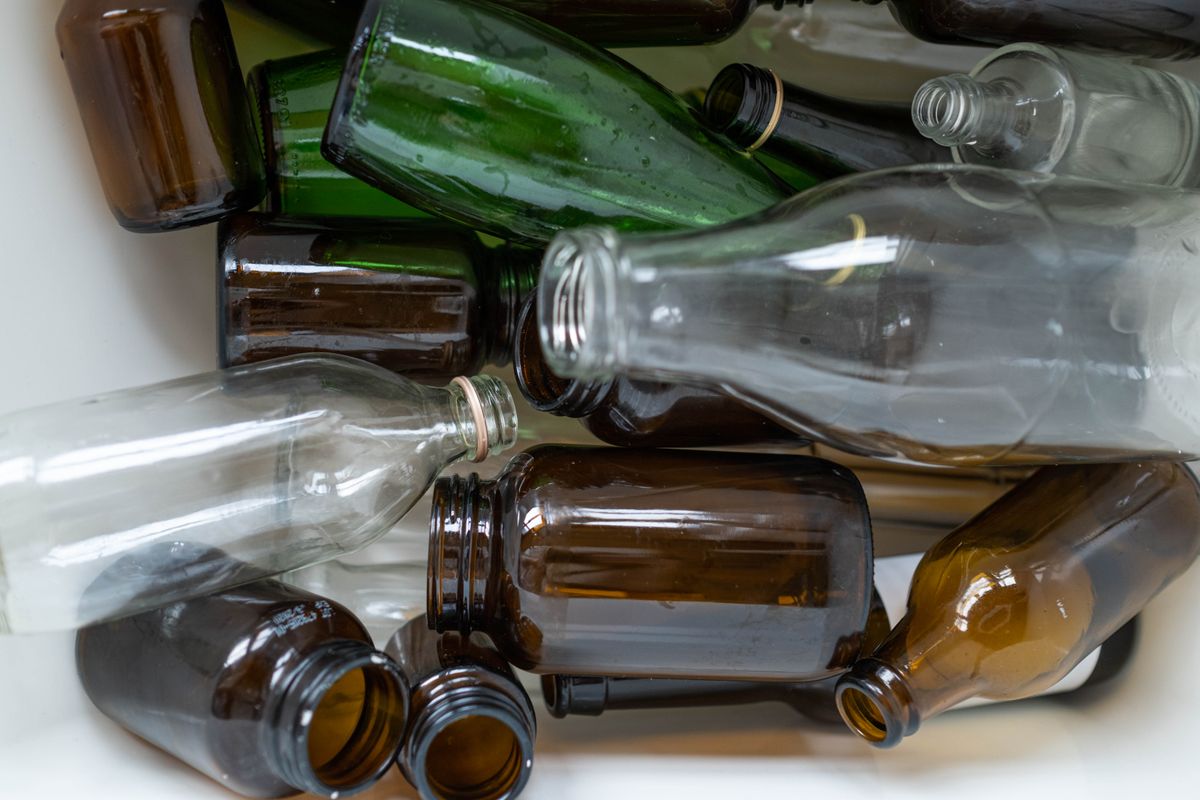
Consult local disposal guidance for items that cannot be donated. A mixed metal-and-plastic product is not automatically accepted with packaging recycling. Electronics, batteries, and chemical contents may need separate handling. Do not force apart an unfamiliar device merely to produce piles of apparent raw materials.
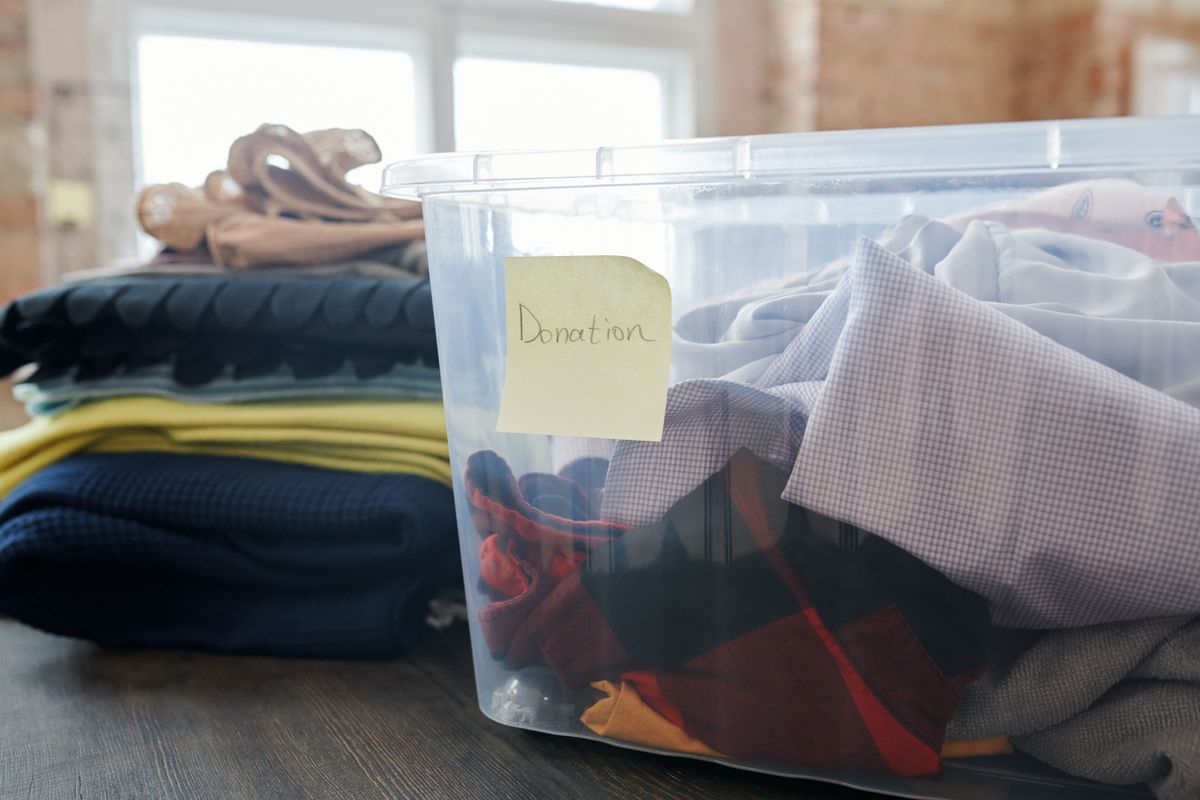
Keep accepted donations protected and separate from outgoing waste. A label with the recipient and handoff date can prevent a mix-up during a larger cleanout. Once the item leaves, it should have either a confirmed next user or an established disposal destination. That is more useful than moving the same uncertain object between storage boxes every few months.