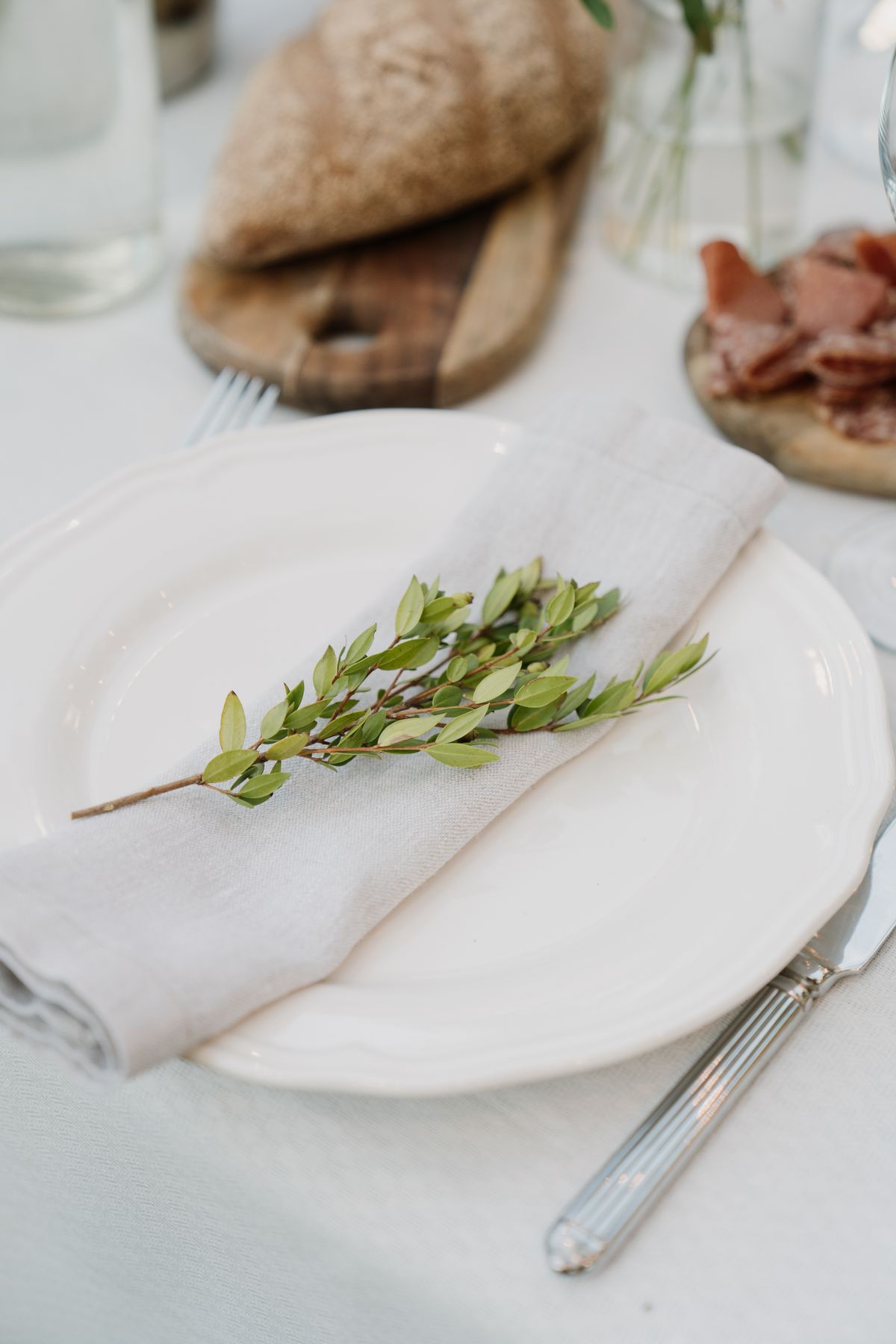
Cloth napkins do not have to create a new ironing project. For everyday meals, a useful size, comfortable surface, and manageable washing instructions matter more than decorative folds. If suitable napkins are already in a drawer, try those first before buying a coordinated set.
Match the fabric to the laundry you do
Read the care label and compare it with your normal loads. A fabric requiring separate treatment may be inconvenient for daily use. At the same time, any attractive scrap of cloth is not automatically a suitable napkin. Avoid materials that shed heavily, transfer dye, or have unknown treatments merely because their color suits the table.
Work out how many people will use them and how often compatible laundry is washed. That gives a more useful starting quantity than a fixed rule about how many napkins everyone should own. Keep enough clean ones available between washes without buying for a large hypothetical party that rarely happens.
Make ownership and condition clear
If an individual keeps a napkin for another suitable use, a designated place or recognizable color can prevent accidental sharing. A damp or visibly dirty napkin should go for cleaning rather than return to the clean drawer. The decision should reflect actual use and fabric care instructions, not an arbitrary promise that every napkin can always be reused a certain number of times.
Place used textiles in an appropriate ventilated collection area. Do not leave wet fabric tightly bundled for long periods. Treat stains with a method suitable for the material, testing unfamiliar products on an inconspicuous area when necessary. Avoid turning a small mark into damage through aggressive treatment.
Keep the return to the table easy
Fold dry napkins simply and store them near the place where you set the table. A slightly wrinkled everyday napkin still serves its purpose. If a smooth finish matters to you, follow the ironing instructions rather than assuming all cotton blends tolerate the same heat.
The FTC's care-label information helps identify permitted washing and drying treatments. Use those directions to incorporate napkins into an appropriate existing load instead of repeatedly running a tiny separate cycle. If the routine becomes burdensome, reconsider quantity, fabric, or storage. Continued use of a manageable set matters more than owning a beautiful stack that remains untouched because washing it feels too complicated.