A label that says recycling does not answer many everyday questions. A guest still has to decide about a drinking glass, wrapper, or battery. A useful label names the actual collection stream and includes a few examples drawn from the things your household regularly uses.
Write from current local instructions
Start with the accepted-materials guidance for the service at your address. An apartment building may use a particular hauler, so confirm the arrangement rather than copying a list from another town. The labels inside the home should lead to the same destinations as the containers used for collection.
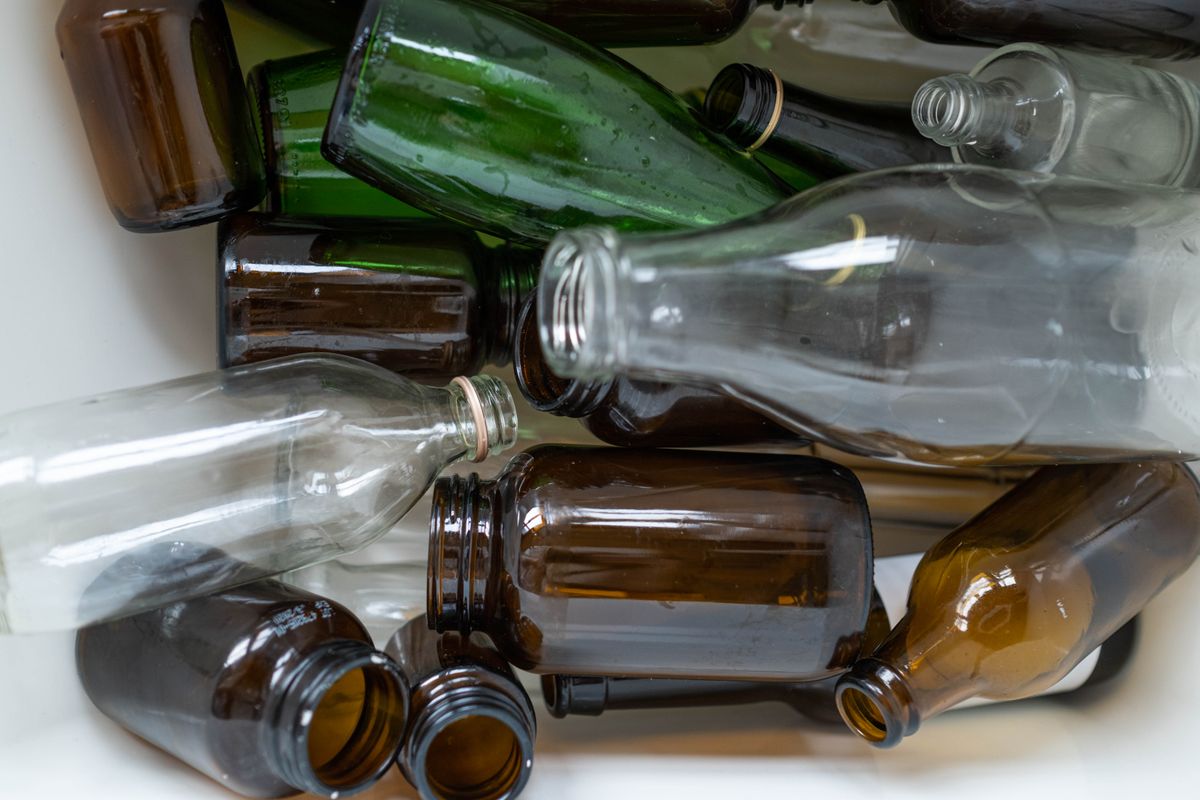
Choose a short main heading, then add two or three common examples and one frequent mistake. If glass is collected separately, the difference between packaging glass and household dishes may matter more than a list of beverage brands. A small illustration is helpful only when it shows an object the reader can recognize.
Place the information before the decision
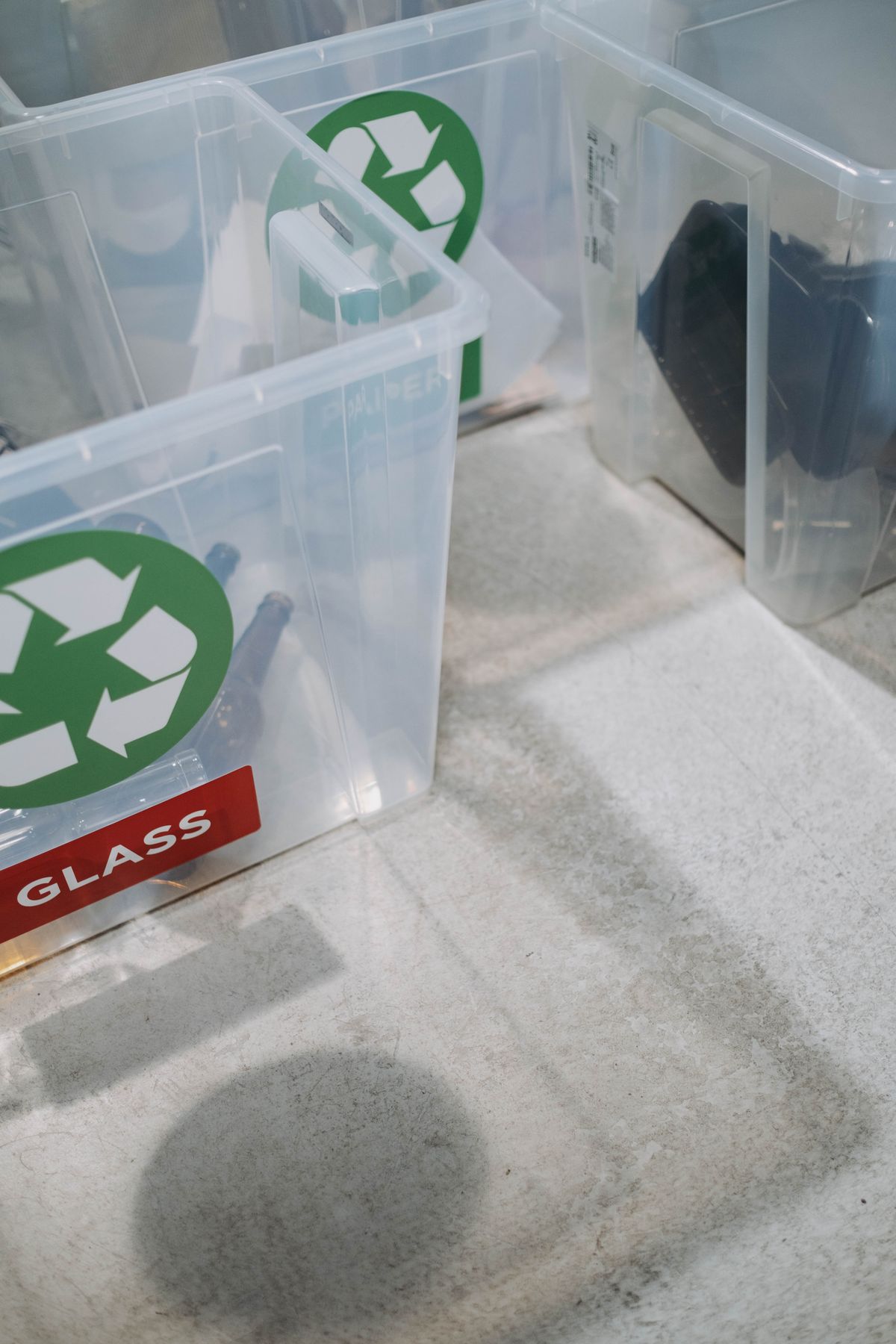
A label beneath a lid may appear too late, after the item has already been dropped. Look at the setup from the position where someone stands holding a package. Put the key text on a visible face and check it under the room's normal lighting. Use clear contrast and avoid tiny type that forces someone to bend down.
Do not rely on color alone. People perceive colors differently, and visitors may not know the local convention. A simple word and picture can reinforce each other. In a multilingual household, a pair of concise terms may be more useful than a dense block of translated instructions.
Try a removable note before producing a permanent label. Ask another person to sort a few familiar empty packages using only the labels. Notice where they hesitate. The problem may be an unclear heading, a missing example, or two containers that appear to accept the same material.
Maintain one clear version
Remove outdated labels instead of covering only half the old text. Several conflicting instructions can turn a simple station into a puzzle. Keep a reference to the current provider guidance in your household notes so the next update is easy to check.
If collection rules or frequently purchased packaging changes, adjust the relevant label. There is no need to fit the entire municipal recycling guide on one bin. Everyday instructions should make frequent decisions faster, while unusual items can still be checked separately.
Review actual sorting mistakes after a week. A label that looks attractive but is repeatedly misunderstood needs different wording or placement. The useful measure is whether the person holding the item can choose the correct stream without a second explanation.