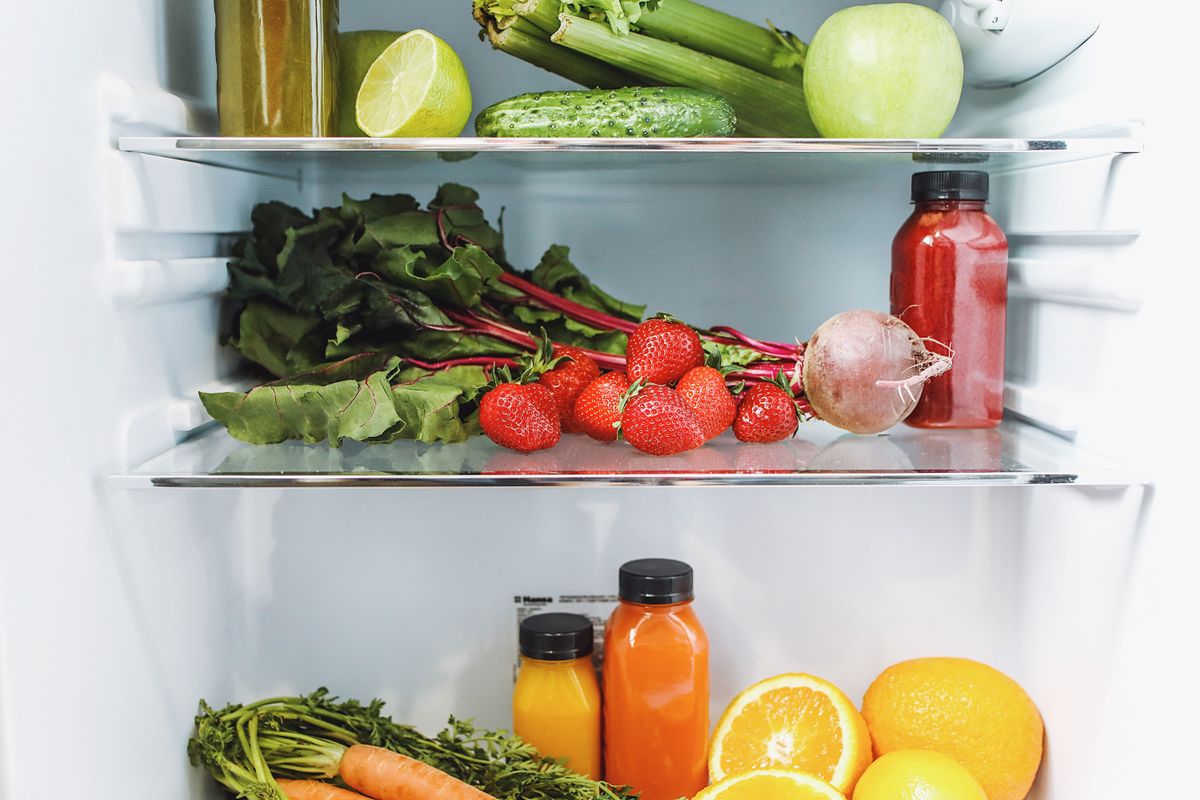
A crisper can hold plenty of produce while revealing very little of it. Heavy vegetables cover delicate leaves, a small portion slips into a corner, and new groceries hide what was already there. A useful arrangement protects the food and makes the next meal's ingredients easy to identify.
Check whether the food belongs there
Not every vegetable needs the same storage conditions. University extension storage guides distinguish refrigerated produce from items better kept elsewhere. Check the variety and the refrigerator's instructions, especially for a drawer with adjustable settings. The word crisper is not a universal instruction for every plant food.
Keep cut produce protected and stored according to its needs. Retain any information necessary to judge when it was prepared and how it has been handled. An unidentified loose piece should not disappear beneath the next shopping load.
Use shallow, flexible divisions
A small removable tray can group loose items without turning the entire drawer into a maze. Give heavier produce a place where it will not press on tender leaves. If the drawer needs force to close, reduce or rearrange the load rather than compressing the food.
Keep suitable ingredients for upcoming meals toward an accessible area. Newer purchases can sit behind them when their needs match. This is not a rigid rule that age alone determines priority; condition and product-specific storage instructions still matter.
Avoid adding so many organizers that they interfere with the drawer's intended airflow or function. Test a layout with containers already available. Make sure the arrangement can be emptied and cleaned easily. If finding one vegetable requires moving three boxes, the system may be too elaborate to maintain.
Look before deciding what to cook
Open the drawer fully when planning vegetables for a meal, including a glance at its sides and back. Choose ingredients intentionally rather than taking only the first visible item. This is particularly useful after a larger grocery trip, when older supplies and fresh purchases share the space.
Remove unsuitable food and address spills or dirt promptly. A tidy layout should not hide a problem under another liner or container. Adjust the purchase quantity if one vegetable repeatedly remains unused.
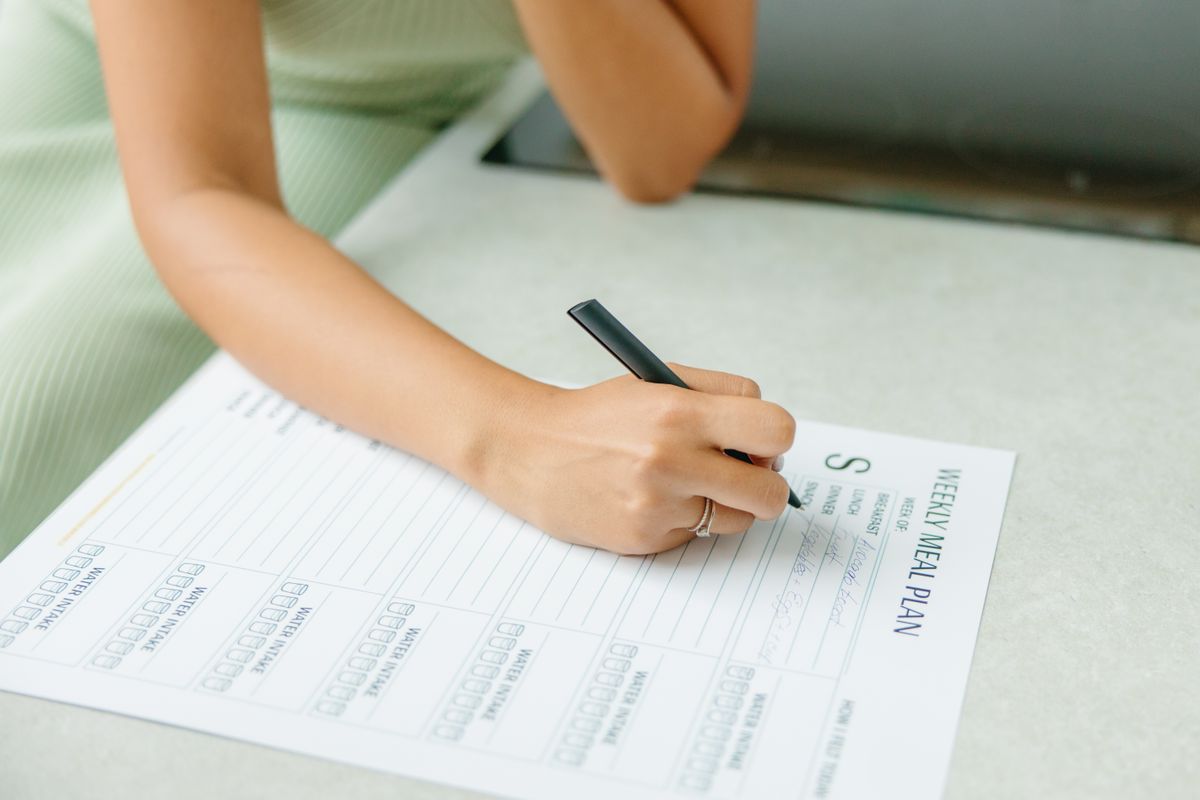
Better visibility can support meal planning, but it cannot create demand for a food the household rarely eats. The most useful crisper arrangement combines appropriate storage, a manageable amount of produce, and a few actual meals that will use it.