Your refrigerator does not have to be completely empty before a trip. It should be free of unresolved decisions. An unopened product with suitable storage instructions is different from a prepared meal that nobody will eat during your absence. Take a brief inventory several days before leaving rather than sorting everything while the suitcase waits by the door.
Work backward from departure
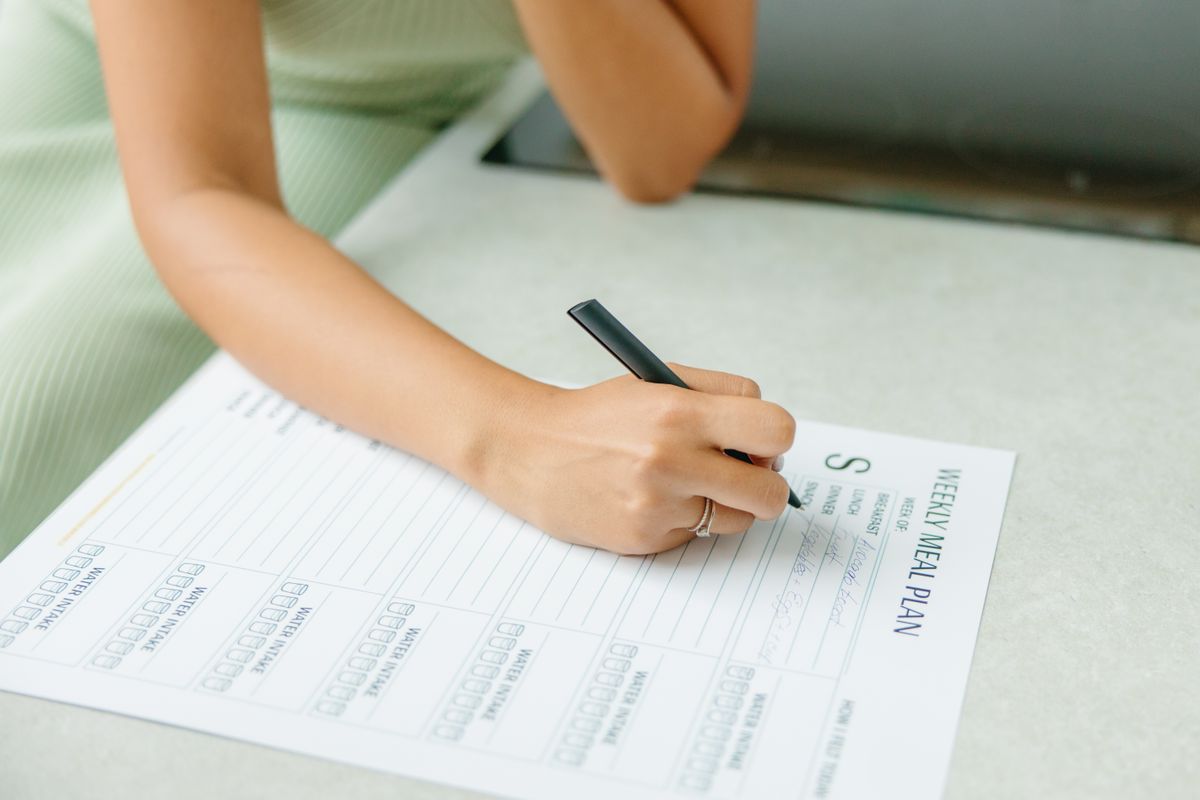
Count the meals you will actually eat at home before traveling. Assign existing perishable ingredients to those meals, then buy only the missing parts. If a recipe requires opening several large new packages, consider a simpler combination. The aim is to finish usable groceries without turning the last evening into an elaborate cooking project.
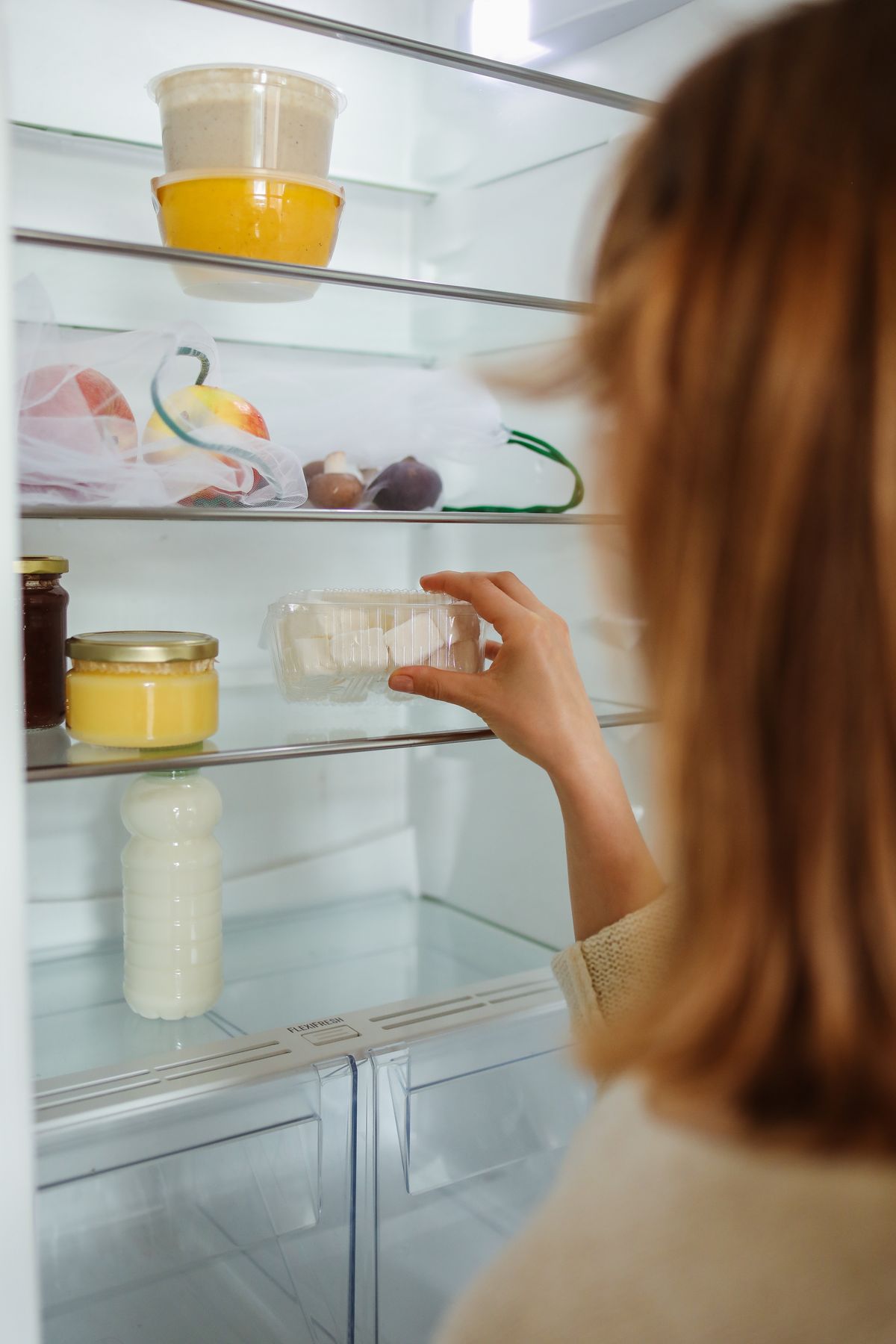
A visible use-soon area can help you notice opened food and ingredients from canceled plans. Maintain proper storage separation while doing this. A single shared basket is not useful if it puts raw meat beside unprotected ready-to-eat food. Keep the arrangement easy to understand for everyone staying in the home.
Choose a destination for each remainder
Freeze suitable food early enough to handle it safely, using appropriate containers and clear labels. Check freezer space before preparing extra portions. Freezing cannot reverse an unsafe storage history, so do not treat it as a last-minute rescue for food you can no longer evaluate. Follow the item's handling instructions rather than assuming every ingredient freezes equally well.
If someone else can use a product, arrange the handoff in advance. Tell them what it contains, whether it has been opened, and how it needs to be stored. An unexpected bag left outside a neighbor's door transfers a problem instead of preventing waste. Make sure the person actually wants the food and can keep it appropriately chilled.
Leave yourself a realistic return meal
Plan something based on pantry ingredients or a clearly labeled frozen portion. This avoids buying fresh groceries before departure for a return date that may change. Keep a short arrival shopping list so essentials are easy to replace without another full inventory session.
On departure day, check open containers, empty household food scraps, and make sure the refrigerator door is closed. Keep an operating refrigerator at 40°F or below, consistent with USDA guidance. If you intend to switch off a completely emptied appliance, follow its instructions for defrosting, cleaning, and leaving the door open. A travel checklist should reflect that specific appliance decision, not assume every refrigerator must be unplugged.