A lunch brought from home can reduce disposable packaging when it is actually carried and eaten. Begin with the journey and eating location rather than a complicated recipe. Find out whether refrigeration, appropriate reheating equipment, and enough time for the meal are available.
Match the food to the day
A lunch that needs extensive assembly may not fit a short break. Choose a portion that works with the available facilities. A container of sauce has different transport needs from a dry sandwich. Include the utensils you will use instead of relying on disposable extras at the destination.
USDA recommends an insulated lunch bag with at least two cold sources for perishable lunches, and refrigeration on arrival when available. Keep foods needing refrigeration cold throughout the journey and until eating. An insulated bag by itself does not generate cold. Plan the cooling arrangement before preparing a meal that depends on it.
Choose containers for the actual contents
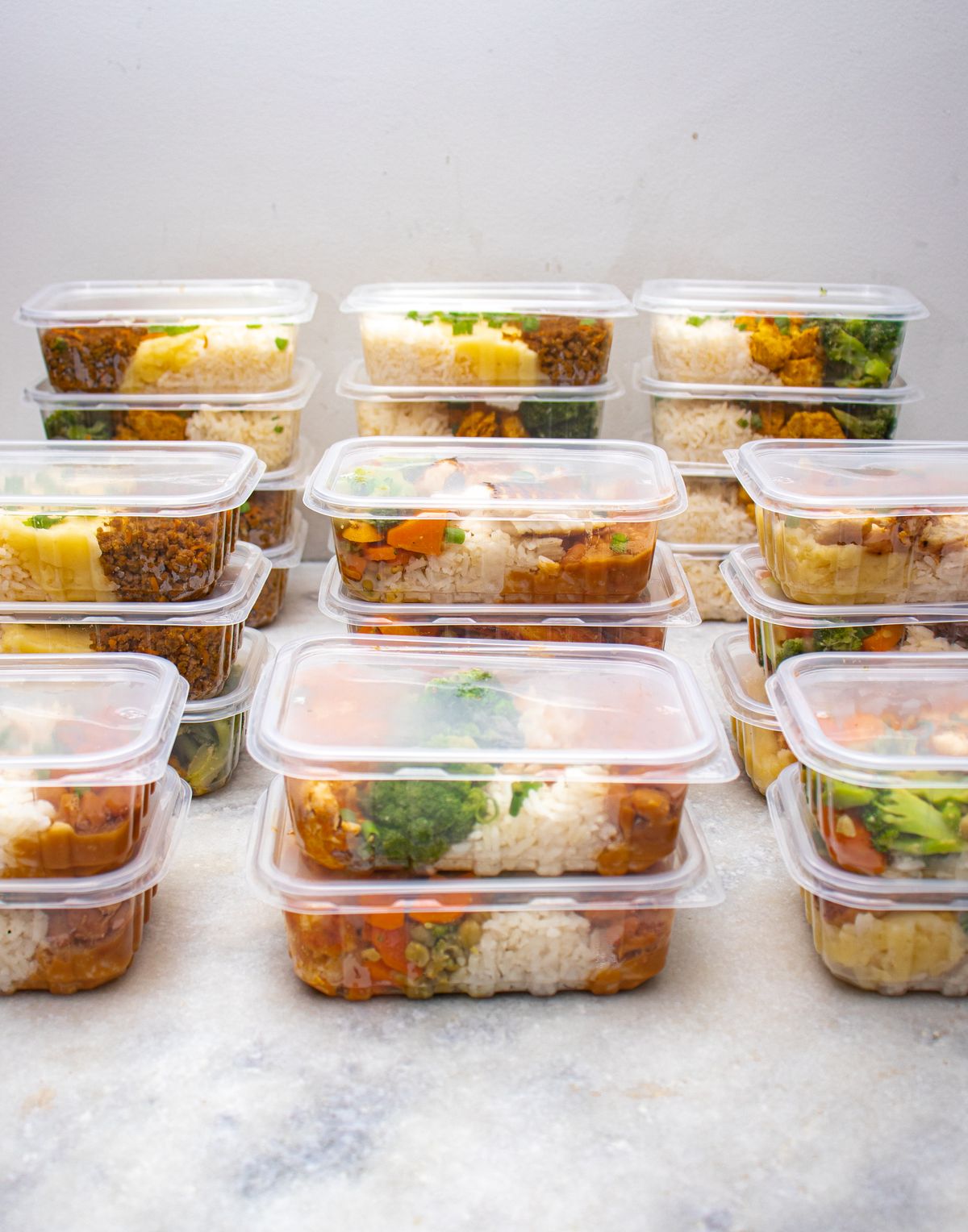
Use clean food containers with closures appropriate to movement in a bag. A lid that merely rests on top may not protect the rest of your belongings. Check explicit instructions before microwaving or otherwise heating a container. Being suitable for carrying food does not establish appliance compatibility.
Separate ingredients when combining them too early would make the lunch unpleasant or difficult to eat. Extra tiny containers are useful only if opening, cleaning, and drying them remains manageable. A highly elaborate lunch kit can make an otherwise simple routine feel like another chore.
Pack an amount you expect to finish. If half the meal routinely comes home, review the size and selection. Food that has spent a day traveling has a different handling history from untouched food kept continuously in a home refrigerator. Do not assess it only by appearance or by how clean the box seems.
Make unpacking part of the system
Empty the bag after returning home. Clean containers, lids, and utensils according to their instructions and let them dry before storing them. Keep the clean set in a consistent location so the next morning does not begin with a search for a matching lid.
Start with one familiar meal rather than buying a full new lunch collection. A container already suited to the food and a recipe already used at home can be enough. Improve the arrangement when a specific problem appears, such as a leaking seal, inconvenient portion size, or inadequate cold storage.
The reduction in packaging comes from repeating a workable routine. The meal, the container, and the storage conditions all need to fit the day for that routine to last.