Food quantities often grow faster than a guest list. One extra salad, another bread option, and a second dessert seem modest separately. Together they can amount to another complete meal. A useful plan looks at the entire menu rather than sizing every dish as if it were the only thing being served.
Put the menu in one place
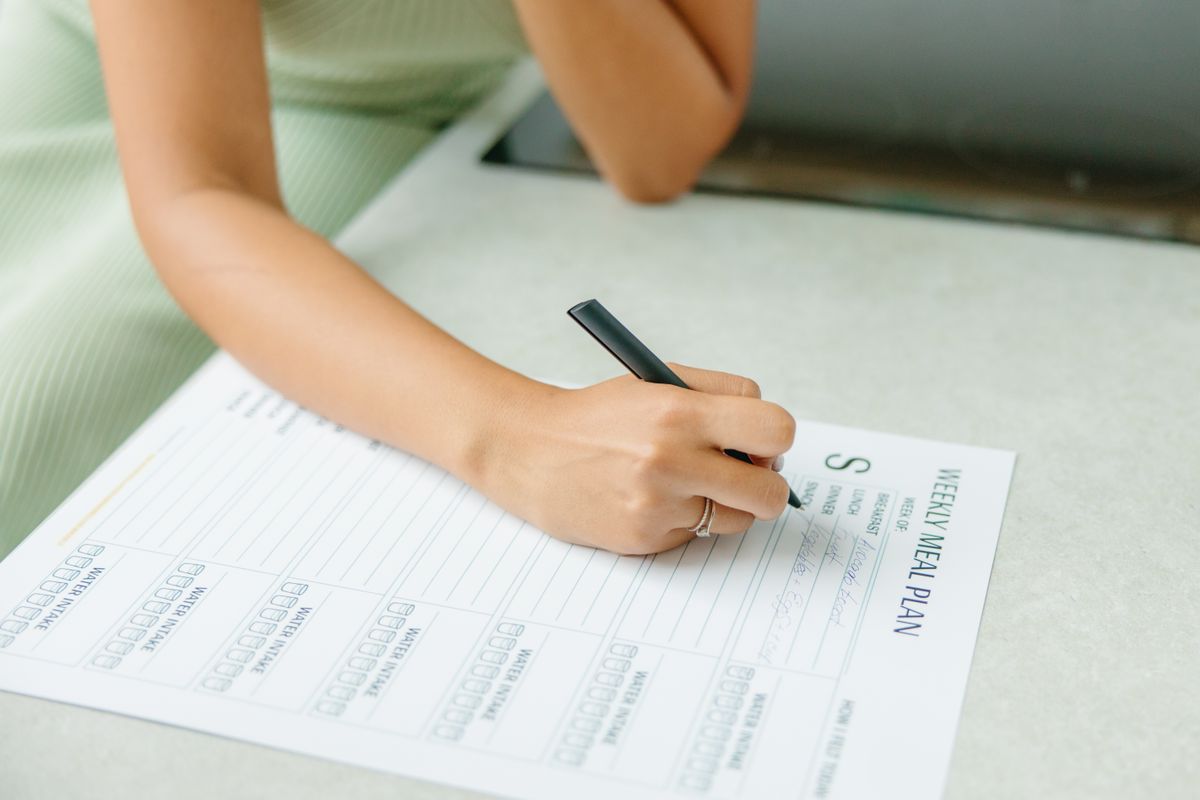
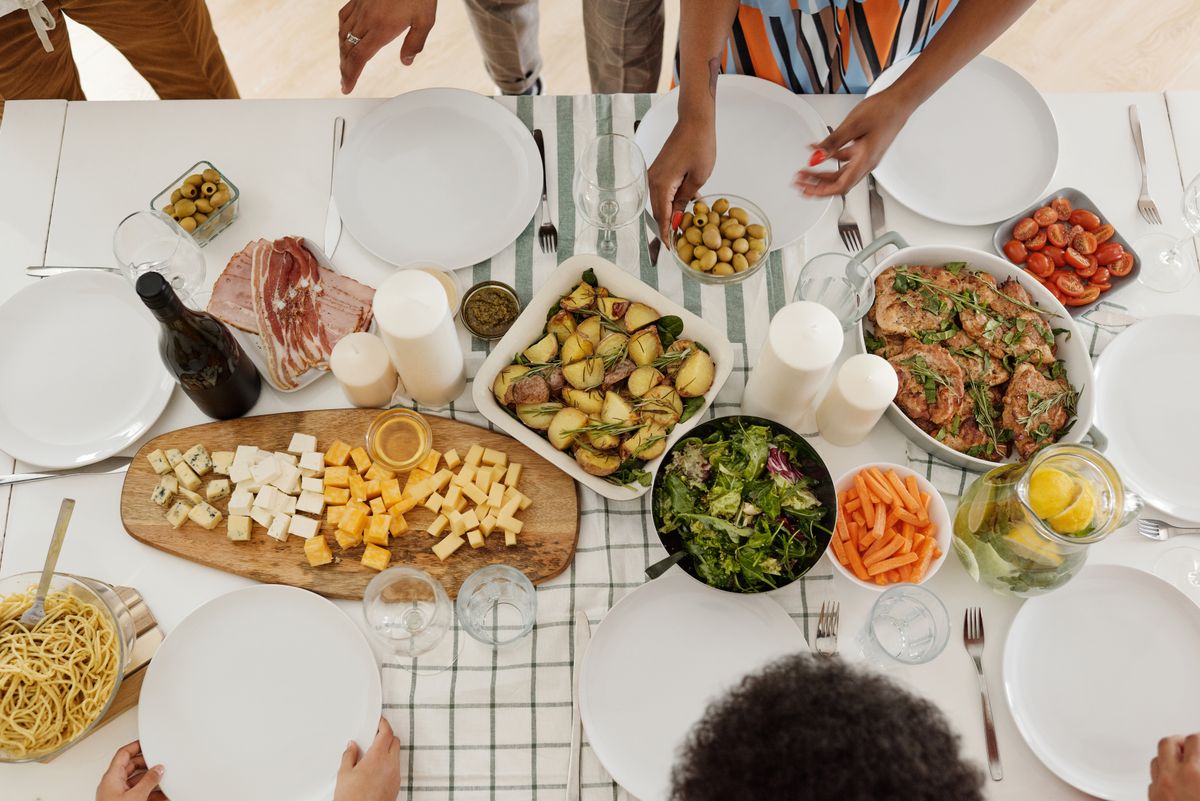
Confirm who will attend and ask directly about dietary needs. Do not guess based on someone's age, appearance, or previous choices. Write down the main course, side dishes, appetizers, and dessert together. The more components you offer, the less sense it makes to prepare a full main-course portion of every item.
Use a familiar recipe yield as a starting point, then consider the occasion. Dinner following a substantial afternoon meal is different from dinner after an active day outside. Universal portion numbers can conceal these differences. Notes from a previous gathering with a similar menu are often more useful than a generic party calculator.
Keep some food in reserve
Put out manageable serving dishes and replenish them as needed, keeping the reserve under appropriate temperature control. Use clean serving utensils and replace empty dishes rather than continually adding fresh food to old remnants. This also makes the table easier to navigate and lets guests see what is available.
Choose a backup that fits your ordinary meals if it is never needed. An unopened pantry item may be more useful than another fully dressed salad. Reserve food is only helpful when someone will actually want it afterward. Avoid buying unfamiliar bulk packages solely because they look economical for the event.
Plan the space after dinner
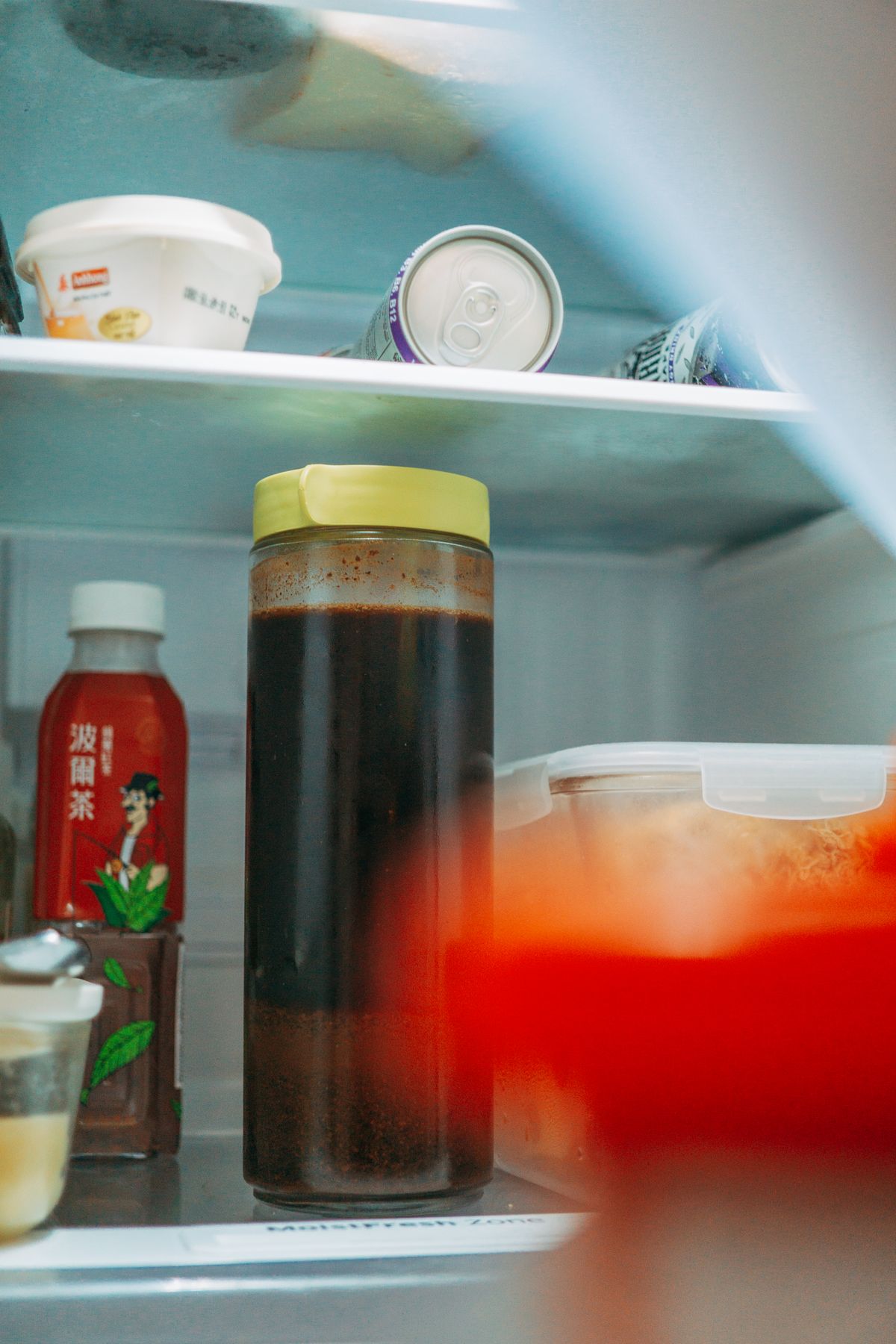
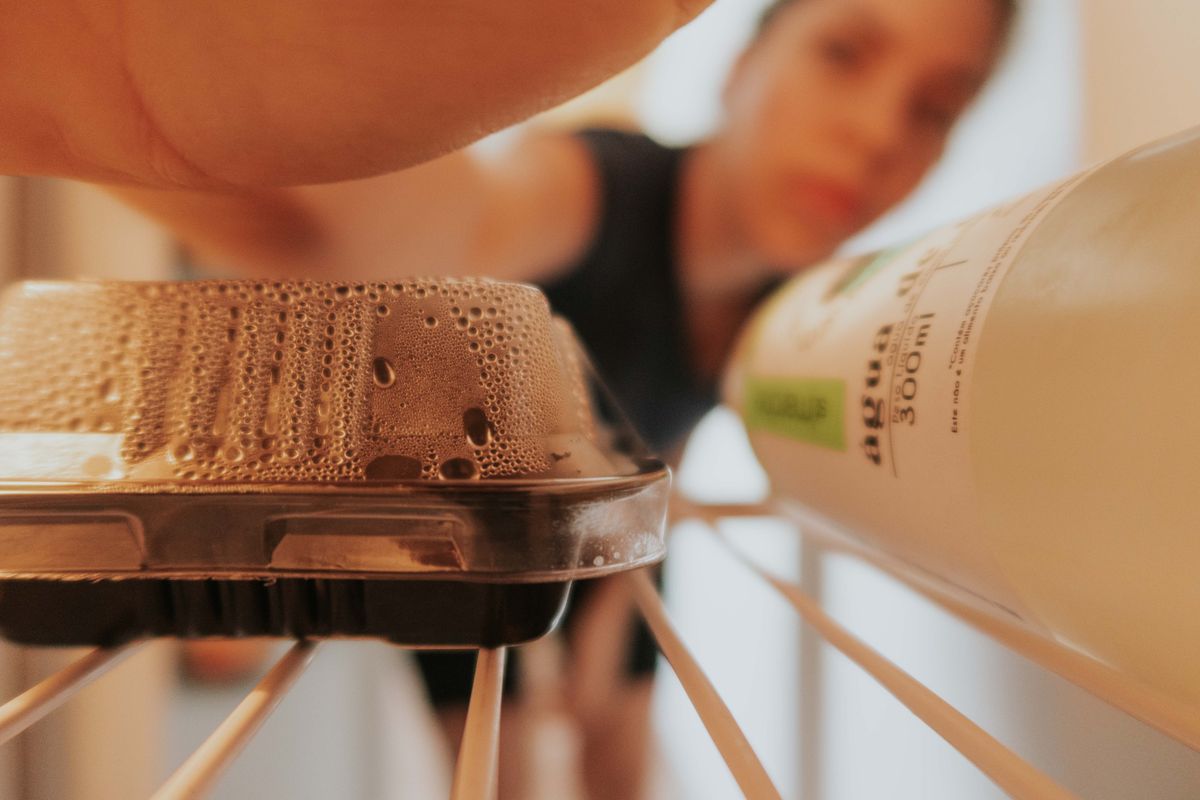
Check refrigerator space and clean containers before cooking begins. USDA advises refrigerating perishable leftovers within two hours, or one hour when the surrounding temperature exceeds 90°F, and dividing large quantities into shallow containers for cooling. Serving food attractively should not delay dealing with the leftovers safely.
Give each remaining dish an intended next use, such as tomorrow's lunch or a properly handled freezer portion. If guests take food home, discuss transport and storage instead of handing over an unlabeled warm parcel. After the gathering, record which dishes were substantially overprepared. A short note about actual leftovers gives the next plan a better foundation than simply repeating the same generous shopping list every holiday.