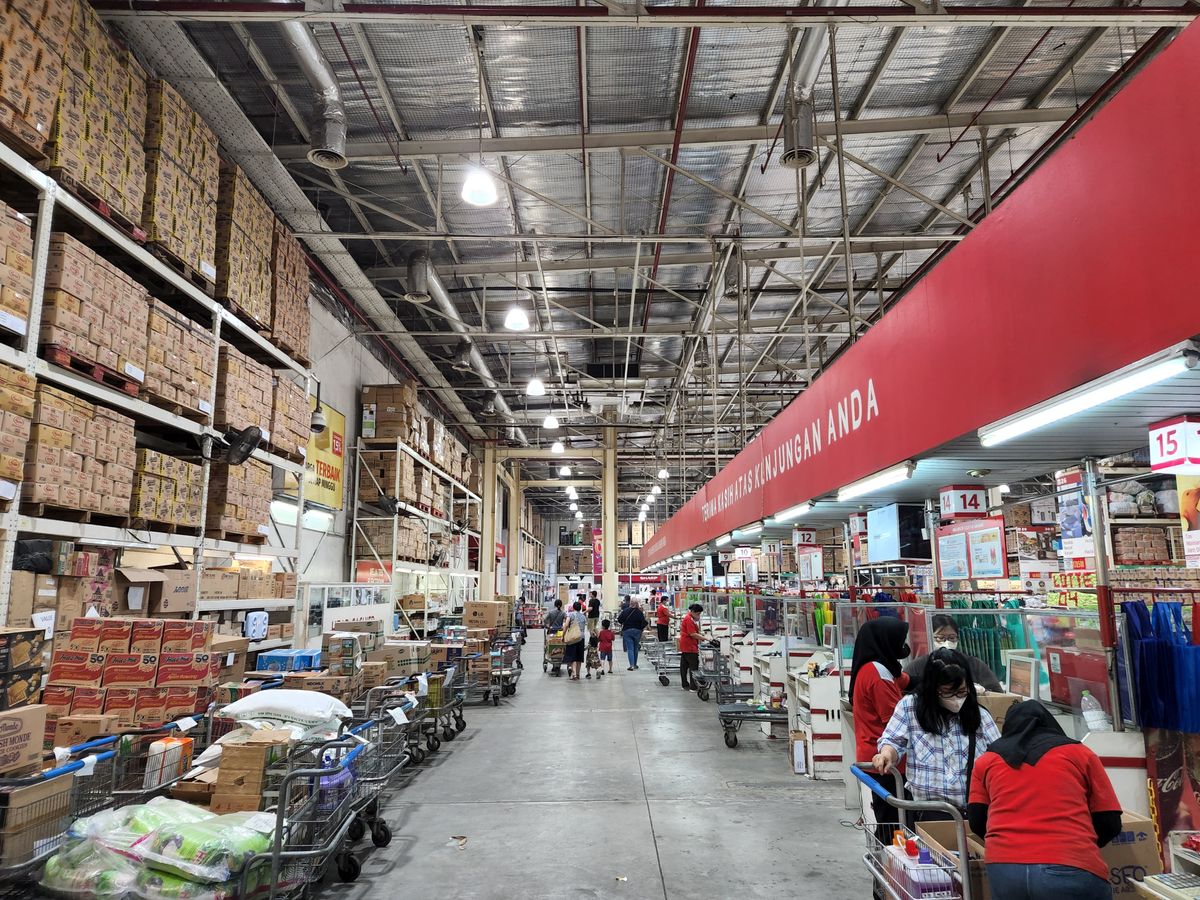
A bulk package can have an attractive unit price and still be the wrong amount for a household. The useful comparison is how much will be consumed under appropriate storage conditions. Start with ordinary meals and available space rather than the largest bag on the shelf.
Estimate the amount you will use
Think about how frequently the product appears in a normal week. A familiar dry staple used often is different from a sauce bought for one occasional recipe. Base the estimate on recent purchases, not an intention to suddenly cook with the ingredient much more often.
Compare unit prices for suitable sizes, then consider any amount likely to remain unused. A lower price per ounce does not help if a substantial part is discarded. Promotions can also obscure existing supplies, leaving several partly used packages open at once.
Know the storage arrangement first
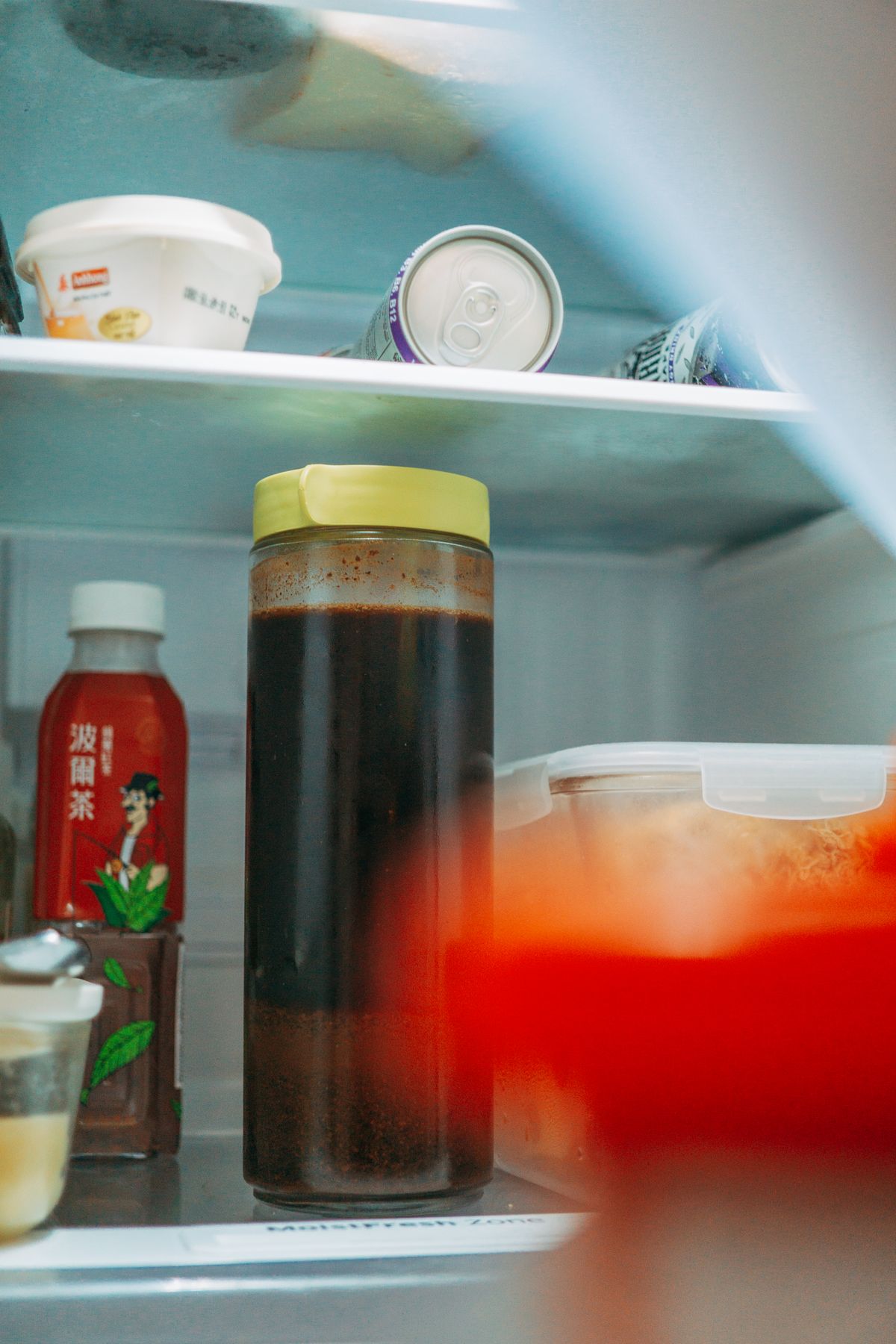
Check how the package will be closed after opening and follow the product's storage directions. It needs an appropriate location that does not block access to other food. Refrigerated and frozen purchases also require enough suitable space. Overcrowding an appliance is not a useful outcome of a quantity discount.
If the purchase will be divided or frozen, plan that work before paying. Suitable packaging, clear labels, and retained product information are part of the decision. A large purchase that creates an unexpected packing task at home may remain inconvenient long after the discount has been forgotten.
Sharing a purchase with another household may work when both parties want the amount and the division can be handled appropriately. Agree on the handoff and preserve ingredient, date, and preparation information for each person. Do not treat sharing as a way to pass an unidentified remainder to someone else.
Test one familiar product
Try a larger size with an ingredient already used regularly. Note when it is opened and finished, and whether the final portion causes difficulty. This is a short observation, not a need for a complex consumption spreadsheet. If leftovers repeatedly accumulate toward the end, choose a more suitable package.
Consider the practical cost of storage too. A large bag may be difficult to lift or require a new container. Those issues matter even when the food itself will eventually be eaten. The best size should fit ordinary handling as well as consumption.
Bulk buying can suit frequently used ingredients. Smaller quantities can be more manageable for occasional needs. Choose the amount that fits normal meals without forcing extra cooking, displacing other supplies, or relying on a vague promise to use it all someday.