A whole frozen loaf is awkward when breakfast requires only two slices. Decide on useful portions before freezing. Your household may need individual slices, small loaf sections, or several portions grouped for a shared meal. The right arrangement follows the way the bread will be eaten.
Freezing should be a planned storage step, not a rescue attempt for bread that is no longer suitable to eat. Use sound bread and follow any product directions. Let home-baked bread cool completely before packaging; enclosing it while warm can trap unwanted moisture.
Package for the next use
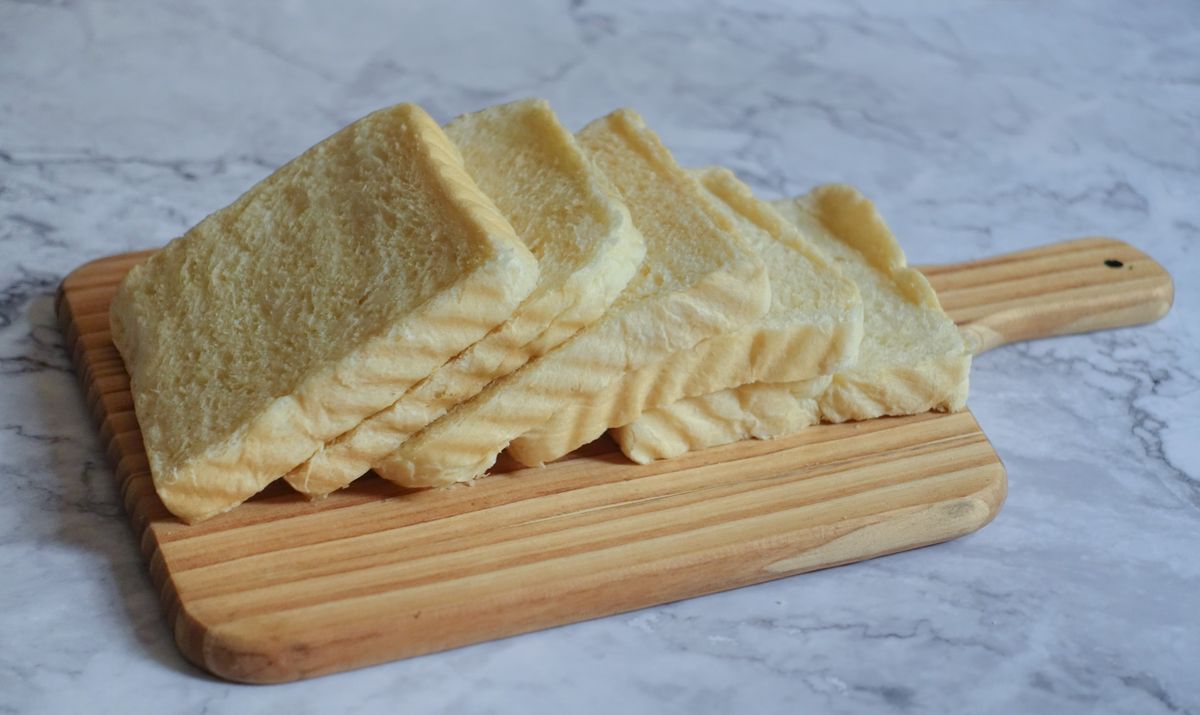
Slice the loaf to the thickness you normally want. Arrange it in freezer-suitable packaging so portions can be removed without forcing a blade between frozen slices. Small portions may need separate containers or a layout that keeps them accessible. Use an existing suitable solution when possible instead of adding unnecessary disposable layers.
Label the bread type, amount, and freezing date. Keep ingredient or allergy information when it matters, especially if several similar breads share the freezer. An identified package is easier to include in a meal than an opaque bag whose contents have to be guessed.
Choose the amount kept in the freezer according to actual demand. A short reserve for breakfasts has a clearer role than a growing pile of assorted ends. If the pieces left behind are always too small for a meal, change the portion size before the next loaf is packed.
Keep the oldest suitable portion visible
A dedicated bread section can prevent slices from sliding behind larger bags. Position older suitable portions ahead of new ones and include them when checking breakfast supplies. The storage area does not need a complex inventory if the packages remain easy to see and read.
Remove only the quantity expected to be used and follow appropriate thawing or heating instructions for that product. A toaster's frozen-bread setting may be useful for suitable slices, but follow the appliance guidance and never put ordinary packaging into a heating appliance.
Check the freezer before buying more bread. If the supply repeatedly expands, reconsider the purchase quantity or shopping rhythm. Freezing can make a good amount more convenient, but it does not automatically create a use for an amount the household never wanted.
A successful routine ends with bread incorporated into meals. Clear portions, suitable packaging, and an accessible storage spot make that more likely than relying on the memory that there is probably a loaf somewhere at the back.