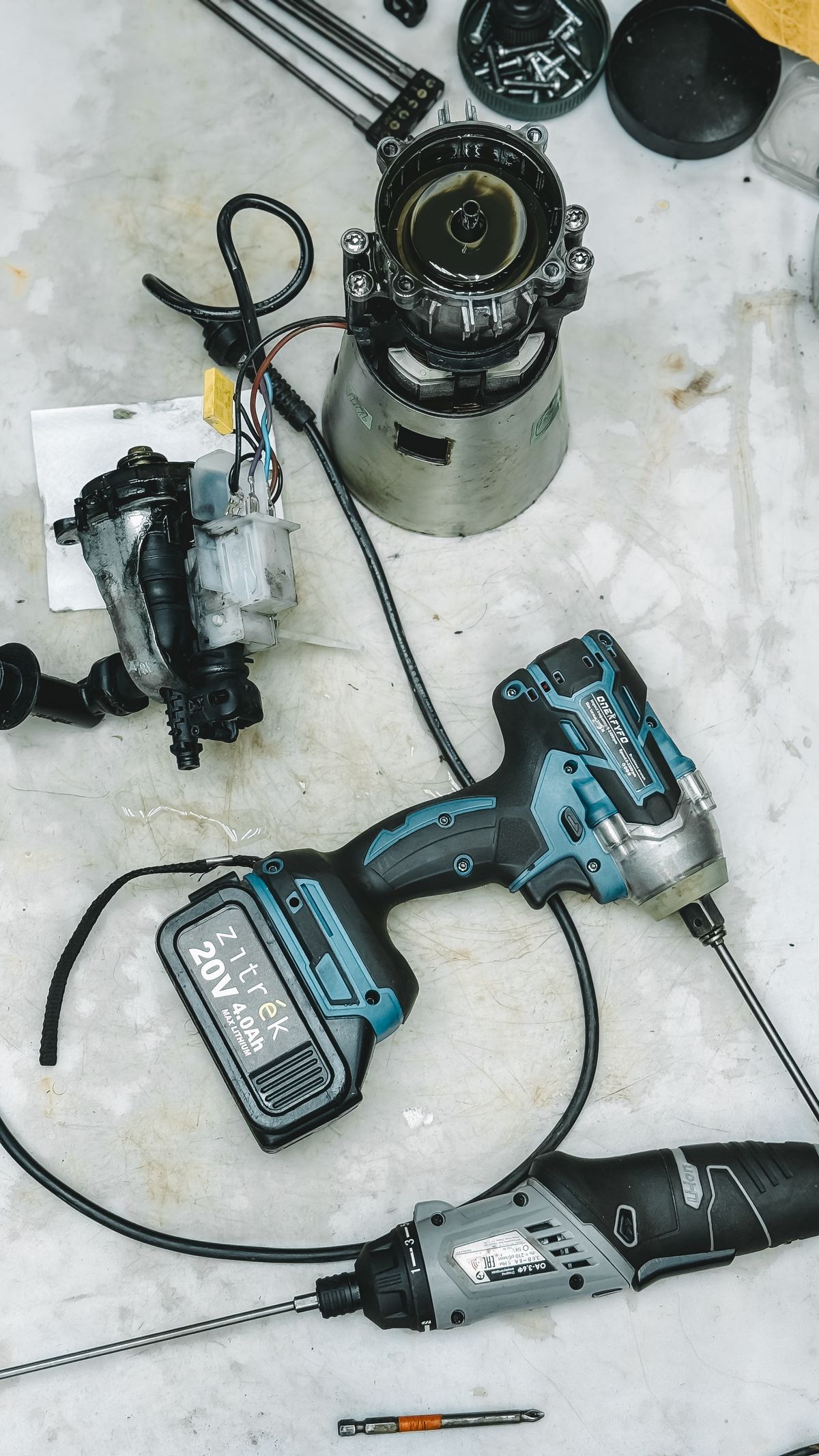
Two replacement lids can look identical in a photograph and use different locking tabs. A similar handle may have different mounting points. Spare-part searches therefore work better when they begin with identification rather than a visual guess. A few accurate details can prevent a series of nearly suitable purchases.
Identify the product first
Find the manufacturer, full model name, and any relevant version or serial information. These may be on a label, the underside of the product, its manual, or an original receipt. Copy every character carefully. A suffix can distinguish one version from another, so do not shorten a model number because the first part looks familiar.
Separate the model number of the whole product from a number printed on the component. Both may be useful, but they identify different things. Photograph the product label and the place where the replacement fits. Describe the problem specifically: a missing lid is different from a damaged seal inside a lid that otherwise works.
Check compatibility before comparing prices
Look for the manufacturer's information or an identifiable parts list for the exact model. Confirm that a compatibility statement includes your version. Dimensions, threads, mounting points, and connection shapes may all matter. An advertisement saying “universal” does not resolve a safety-critical difference.
For electrical, load-bearing, pressurized, or food-contact components, appearance alone is not evidence of suitability. Establish whether the replacement is intended for the owner to fit or requires a qualified repairer. Instructions for a neighboring model are not a reliable substitute for the right documentation. Avoid buying a selection of unclear alternatives and deciding by trial and error.
When contacting a supplier, provide the model details and a focused question. Ask whether the listed part fits that version and what is included. A complete assembly, a casing without its seal, and a single fastener can appear in similar product pictures while representing very different purchases.
Keep the successful information
Save the exact part number and the compatibility confirmation together. Review delivery contents and return terms before ordering. The lowest headline price may not represent the same set of components, so make the comparison on equivalent contents rather than photographs.
When the part arrives, compare it with the documentation before installation. Do not force a connection that does not fit as described. Resolve the discrepancy first, and follow the appropriate fitting instructions. Once a replacement works correctly, keep its details with the product manual. This small record makes a future repair easier and gives a later owner a better starting point than another search based on appearance.