A visitor does not know the layout of your cupboards or the rules of your local recycling program. Even a well-intended choice can put an item in the wrong place. A brief introduction and an understandable arrangement help more than a long explanation after the kitchen fills with used packaging.
Anticipate the items the visit will produce
Think about what is likely to appear: beverage containers, paper packaging, food scraps, or napkins. Make the routes for those few items clear. Guests do not need a complete lesson on every unusual disposal question. Put suitable collection points near the place where people clear dishes and packaging.
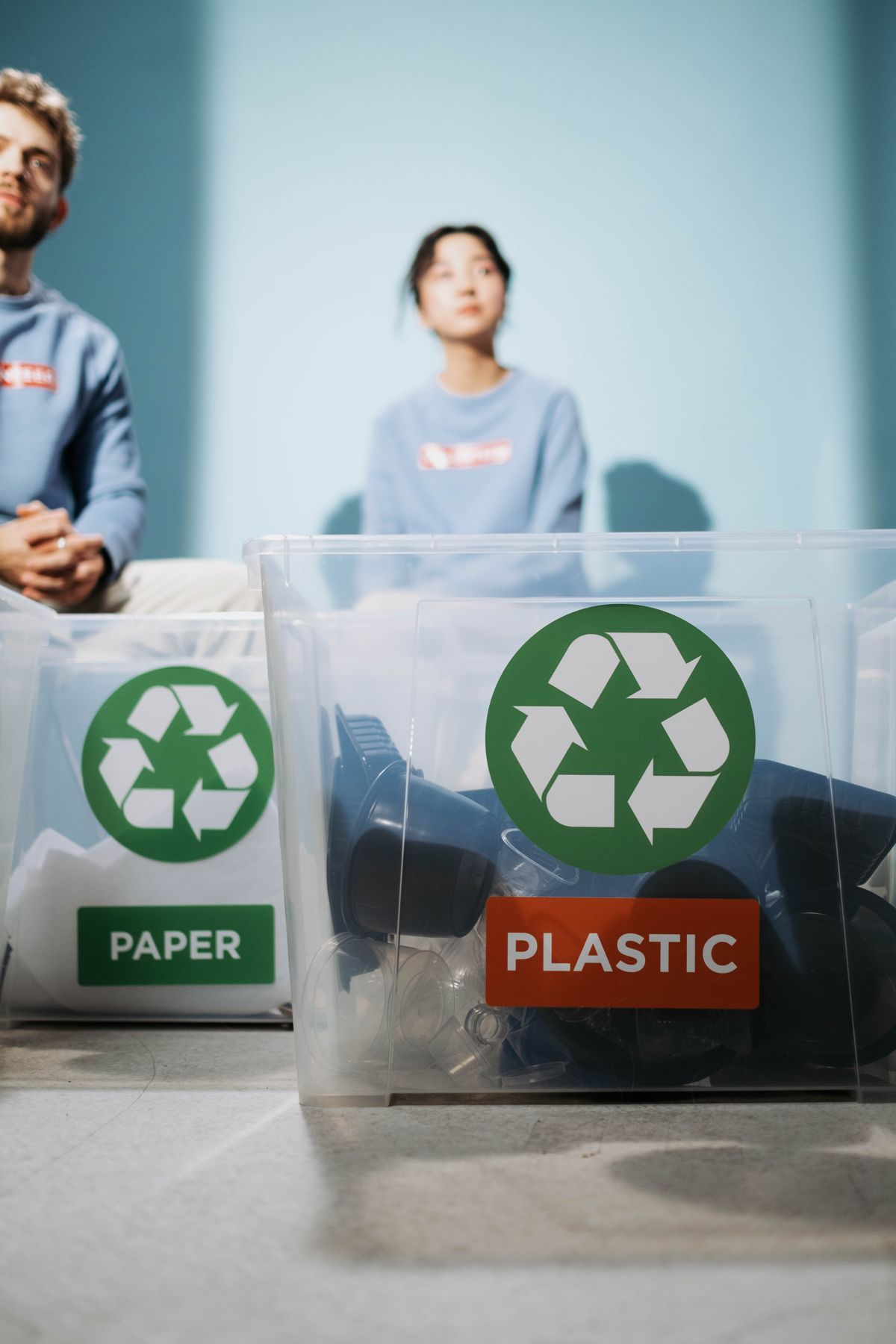
Use specific examples on small labels. A recycling bin might list the particular bottles and cans your local program accepts. Keep any containers set aside for deposit returns clearly separate where that system applies. A recycling symbol alone does not explain what belongs in the actual bin.
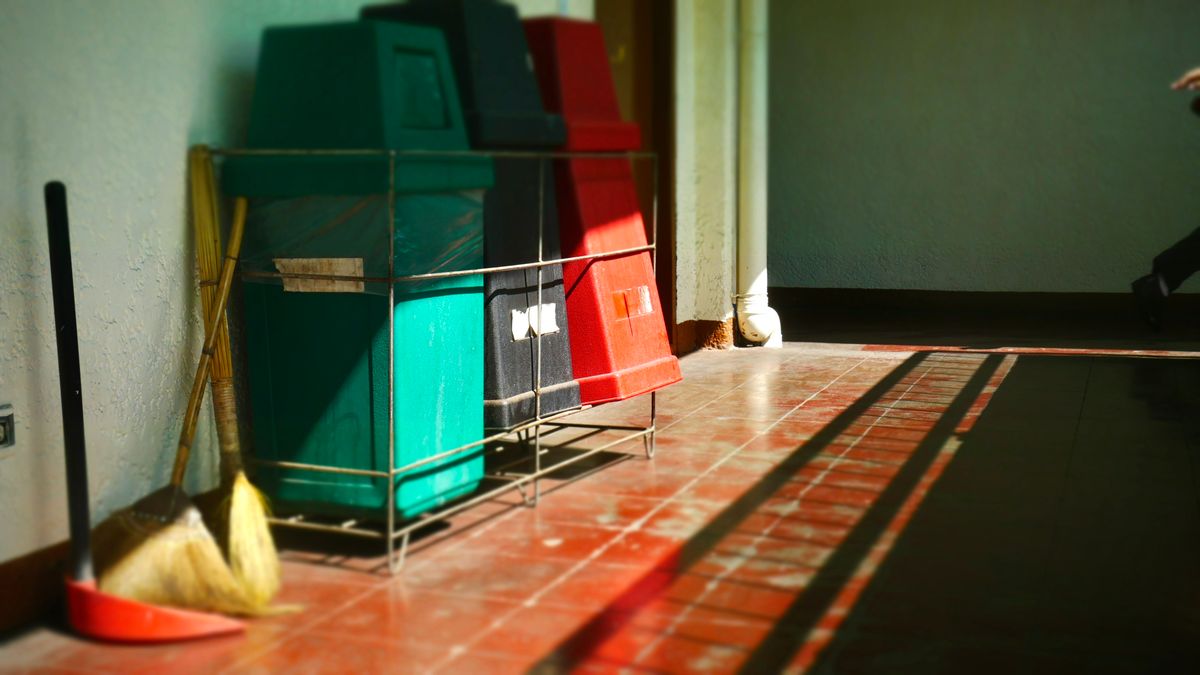
Do not rely exclusively on color. A visitor's town may use the same color for a different collection. A readable name plus two typical examples is easier to interpret. For guests who speak another language, a short bilingual label or recognizable picture can be useful.
Make the arrangement easy during the visit
Show the collection points naturally when explaining the kitchen. A sentence such as Empty cans go here removes uncertainty without turning hospitality into an instruction session. A small temporary spot for questionable items can give people somewhere to leave them for a quick check.
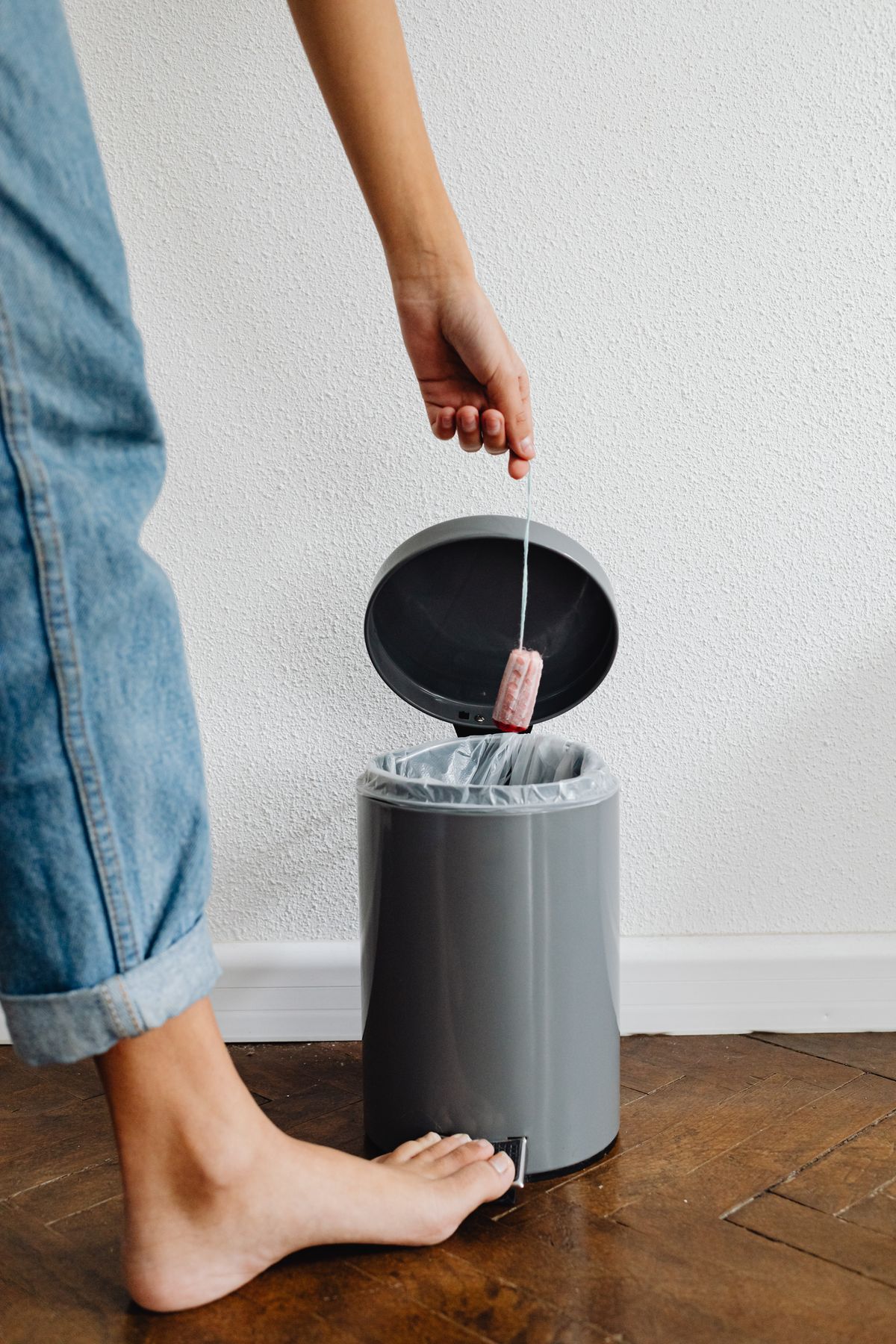
Consider lids and access. A bin hidden behind several cabinet doors may be overlooked during a gathering. A temporary container should be stable, appropriate for its contents, and clear of walkways. Have suitable spare liners available if a bin fills up.
Local collection rules still govern the setup. If you are using unfamiliar packaging for the event, check the program's accepted-materials list beforehand. Backyard composting, a food-scrap pickup service, and ordinary trash have different requirements. Provide a food-scrap container only when you know what its destination accepts.
Afterward, review the collection without reaching blindly into unknown or hazardous waste. If the same mistake keeps appearing, change the label or location rather than repeating a longer explanation next time. The next gathering can then require less guidance. A well-designed arrangement often works because the correct action is also the easiest visible step for a guest who is simply trying to help tidy up.