A full bag of clothes is not automatically a useful donation. Mixing wearable jackets with damp towels and damaged shoes creates extra sorting work for the recipient. Start with a particular organization and its current acceptance rules. Different groups need different items, and none necessarily has room for unlimited deliveries.
Ask about sizes, season, condition, and drop-off arrangements. Some organizations accept selected items for direct distribution; others operate a broader collection system. The word “donation” alone does not tell you the next destination. If direct local use matters to you, ask how that organization handles the clothing it receives.
Inspect the complete garment
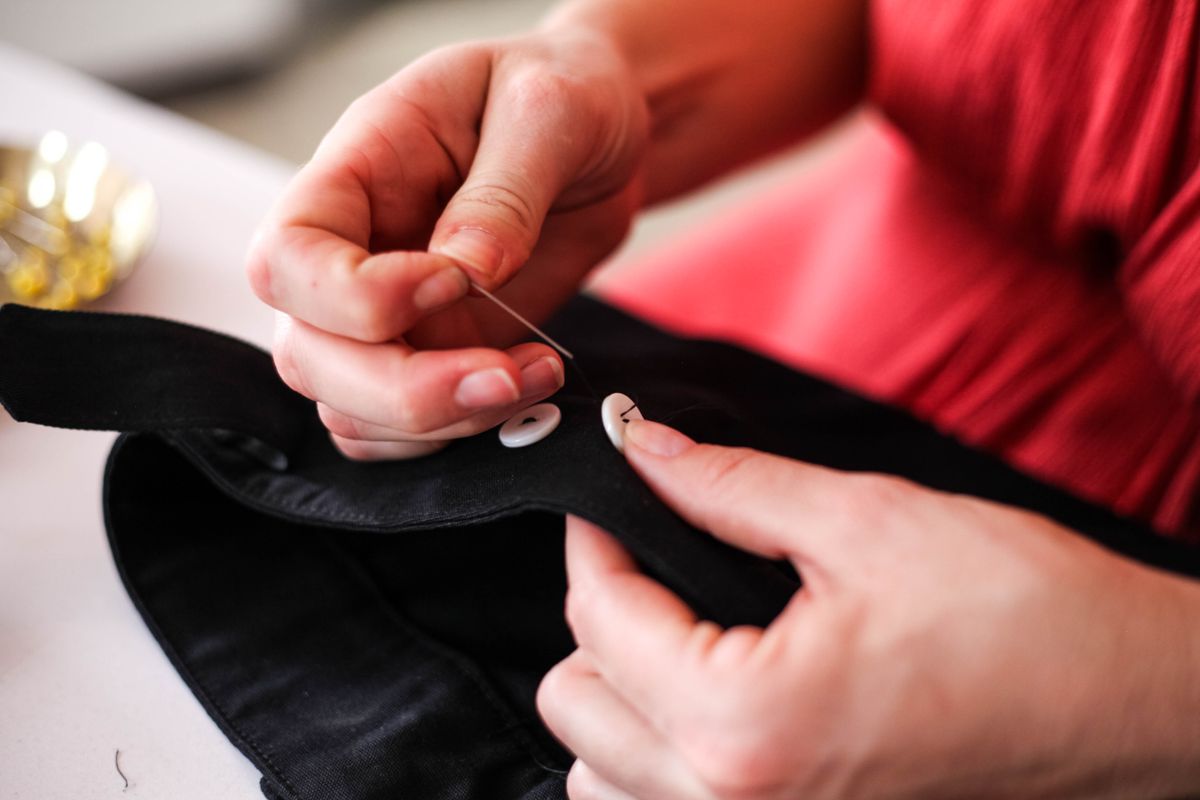
Look at the front, back, seams, fasteners, and pockets. Remove personal items and loose papers. A jacket with a missing zipper pull is in a different condition from one ready to wear. Small defects may be repaired before donation where you can do the work properly. Folding a garment neatly does not resolve an undisclosed problem.
Donate only clean, completely dry clothing that meets the recipient's rules. Moisture trapped in a closed bag can affect the other contents too. Moldy, wet, or heavily soiled textiles should not be mixed with wearable donations. For unsuitable material, investigate an appropriate local collection route rather than assuming the clothing organization can process it.
Pack for the receiving process
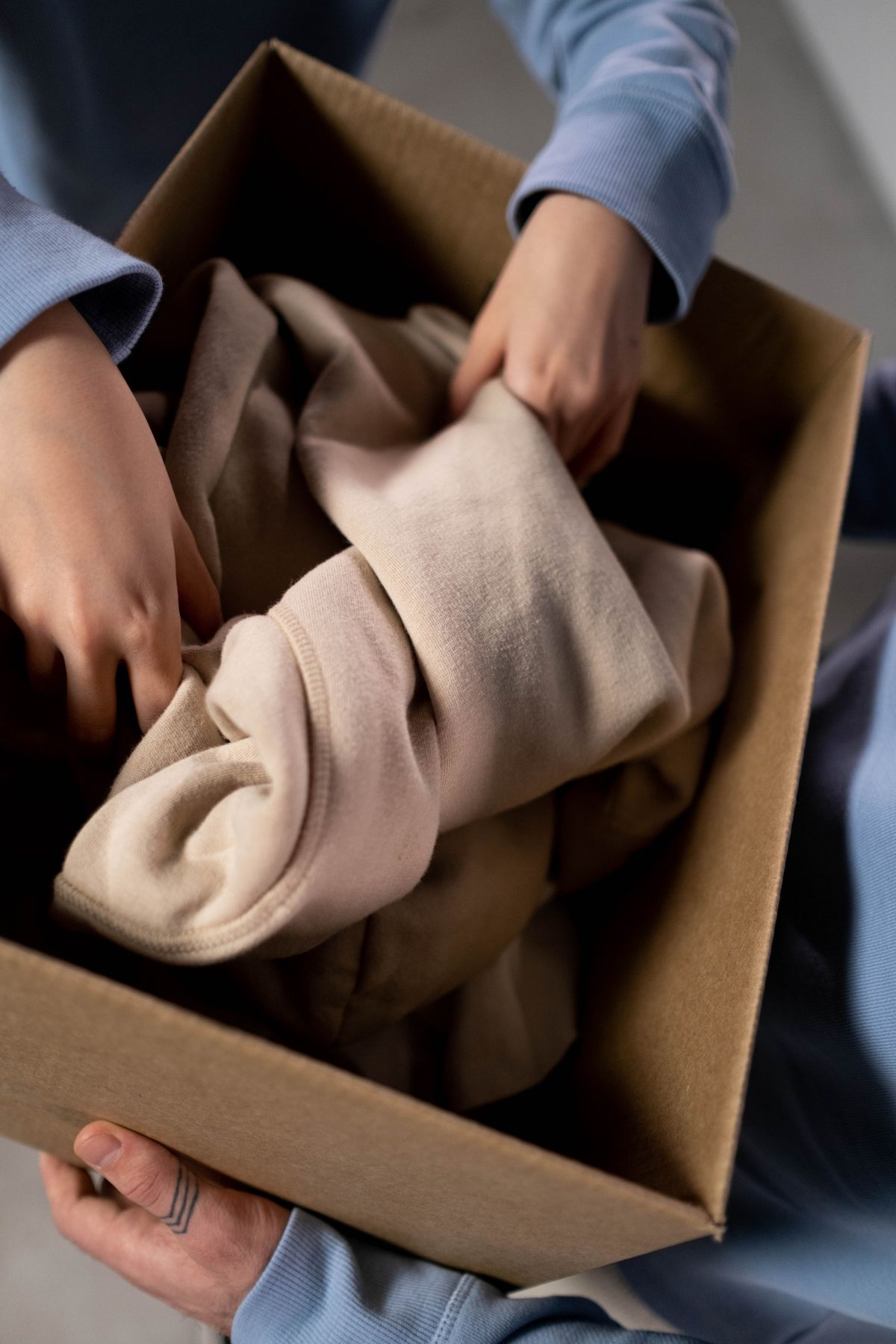
Keep matching pieces together. If the organization requests sorting by size or type, a simple label can help. Avoid unnecessary packaging: many tiny disposable bags add work when they must all be opened immediately. Use the packaging requested or explicitly accepted by the recipient.
Pack quantities you can carry safely and deliver at the agreed time. Do not leave bags outside closed premises or beside a full collection bin. Weather, dirt, and lack of supervision can turn usable clothing into material that cannot be distributed. If the location has no capacity, take the items away and arrange another time or a different willing recipient.
Use the sorting process to inform future purchases
Notice which kinds of clothing repeatedly leave your wardrobe unworn. Certain fabrics may not suit your routine, or similar pieces may be bought more often than needed. That observation can change the next shopping decision instead of merely preparing the next donation bag. Passing clothing on works best when its condition is suitable, preparation matches the recipient's process, and there is a confirmed need at the other end.